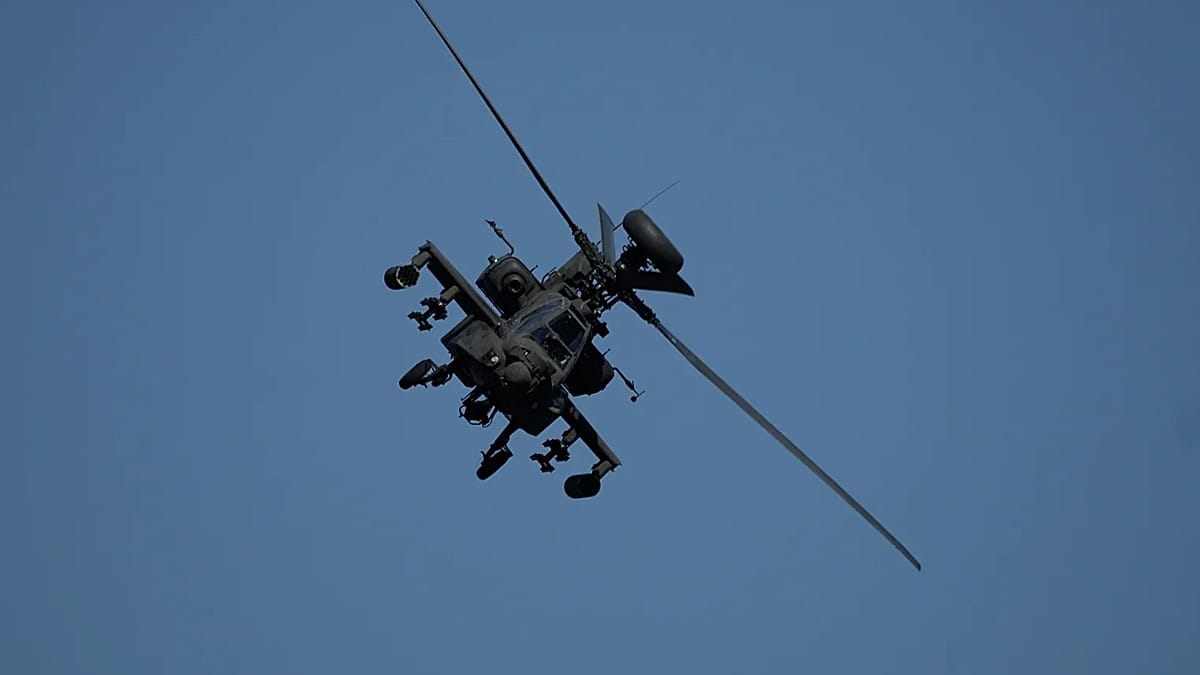
President Donald Trump has pledged a military response after accusing Iran of shooting down a US Apache attack helicopter near the Strait of Hormuz on Tuesday. The incident marks a significant escalation in a conflict that began on 28 February, when the United States and Israel launched strikes against Iran.
In a post on social media, Trump stated that military commanders had informed him that “the Iranians shot down one of our highly sophisticated Apache Helicopters.” He confirmed that both crew members survived without injury, adding, “They are safe and uninjured. Nevertheless, the United States must, of necessity, respond to this attack.”
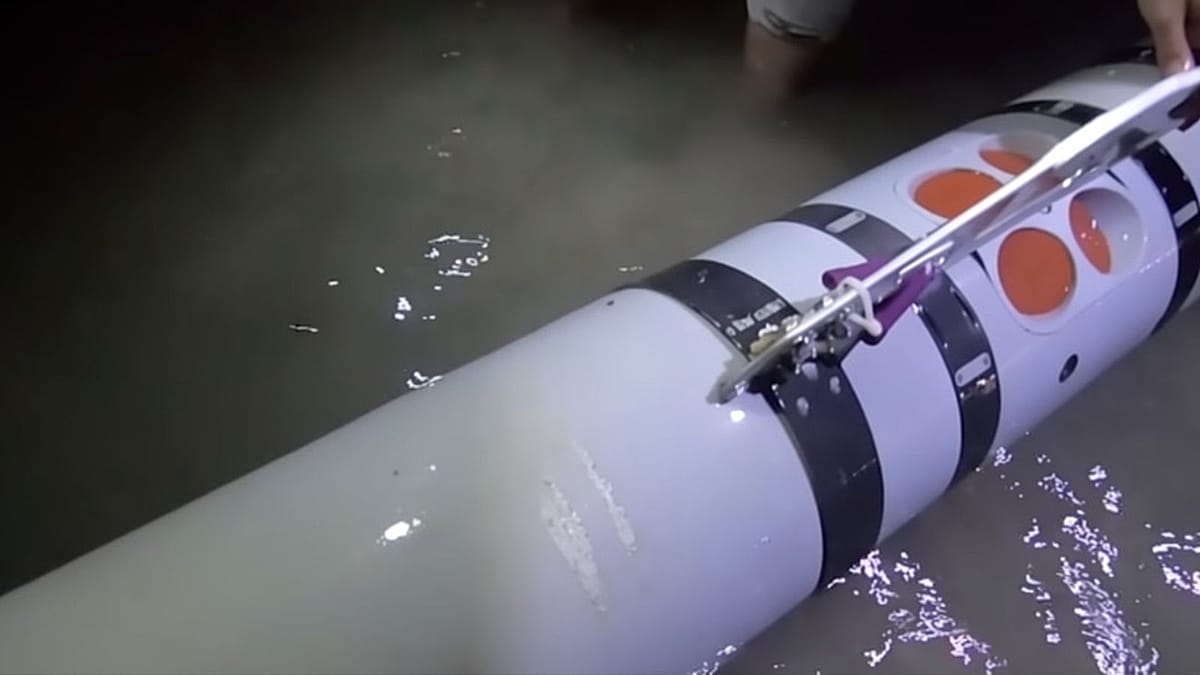
The helicopter crash occurred close to the strategic waterway, which Iran has largely shut to shipping during its ongoing conflict with the US and Israel. The US military used an unmanned drone boat to recover the two aviators—the first publicly known use of such a vessel for personnel rescue.
Ceasefire Under Strain
The downing of the Apache has placed renewed pressure on a ceasefire that has been in place since 8 April. That truce was already fragile after Iran and Israel exchanged fire on Monday for the first time since the agreement was reached. Iranian state media reported that Israeli strikes on Tuesday killed at least two members of the country’s air-defence forces.
The broader conflict, which began with US and Israeli attacks on Iran, has had far-reaching economic consequences. The Houthi Red Sea ban and Hormuz blockade have disrupted global energy routes, driving up oil prices and threatening European energy security. The latest escalation could further destabilise markets, as oil surges have already undermined ceasefire efforts.
For European capitals, the situation is particularly concerning. The European Union has been grappling with how to respond to the crisis, with EU Defence Chief Kaja Kallas warning that replacing US military assets will cost Europeans €500 billion. The ongoing instability in the Gulf adds urgency to these discussions, as member states like France, Germany, and Italy rely heavily on energy imports from the region.
Meanwhile, Iran’s Islamic Revolutionary Guard Corps (IRGC) has threatened regional energy infrastructure, raising the stakes for European economies already facing high inflation and supply chain disruptions. The Strait of Hormuz remains a critical chokepoint for oil and liquefied natural gas shipments to Europe, and any prolonged blockade could have severe consequences.
Trump’s vow to respond leaves European leaders in a difficult position. While many have condemned Iran’s actions, they are also wary of a wider war that could draw in European forces or further destabilise the Middle East. The US president’s unilateral approach has often clashed with European preferences for diplomatic solutions, as seen in previous crises.
As the situation develops, European Pulse will continue to monitor the impact on European security and energy markets. The coming days will test whether the ceasefire can hold or whether the region is sliding into a broader conflict with global repercussions.