Among the most devastating consequences of Russia's full-scale invasion of Ukraine is the mass abduction of Ukrainian children. The humanitarian initiative Bring Kids Back UA estimates that at least 20,000 minors have been taken from their homes and dispersed across the Russian Federation, though the true scale remains difficult to verify.
These children are not only separated from their families and communities; many are subjected to deliberate efforts to erase their Ukrainian identity. Some are reportedly being raised to reject their heritage, and in the worst cases, taught to despise their own country.
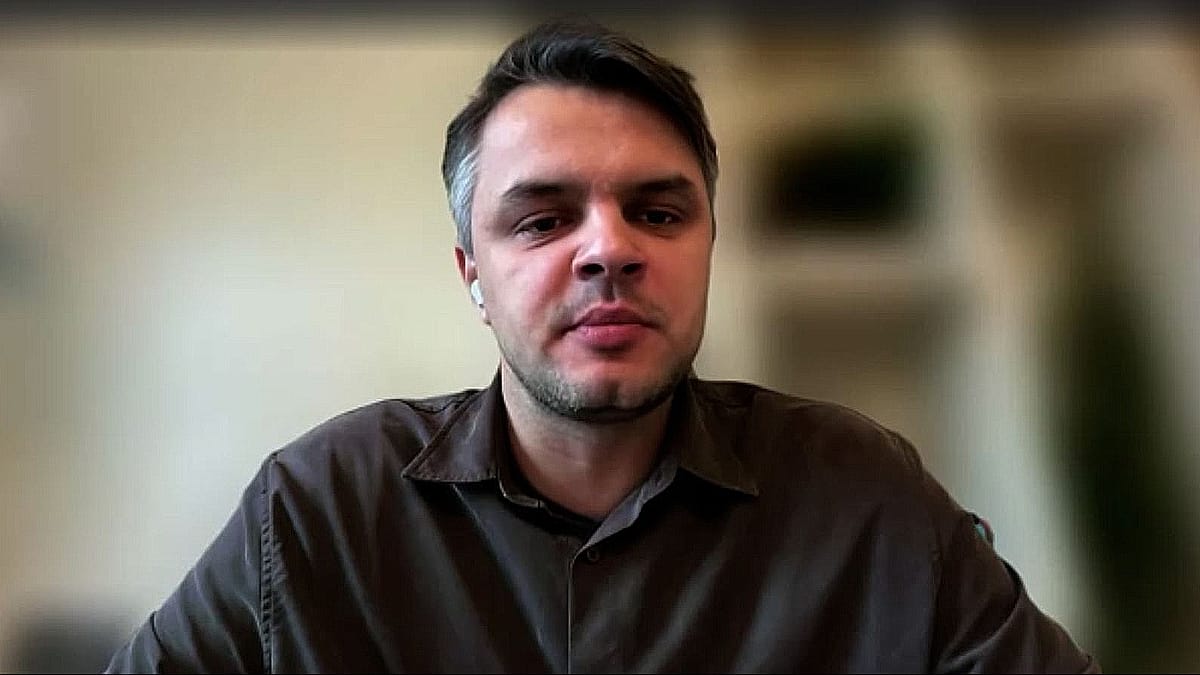
Maksym Maksymov, director of Bring Kids Back UA, warns that this systematic indoctrination will leave “long-lasting scars on the self-perception of these young people.” In an interview with European Pulse, he described the psychological damage as profound and enduring.
A slow and painful recovery
Maksymov's organisation has helped bring more than 3,000 children back to Ukraine. Many of those rescued had suffered from medical neglect or had been fed false narratives that their parents had abandoned them. The process of reintegration is often slow, requiring psychological support and rebuilding trust.
The issue has drawn international condemnation, but the practical challenges remain immense. Locating children across Russia's vast territory, verifying their identities, and negotiating their return is a complex diplomatic and humanitarian effort.
Meanwhile, the war continues to exact a heavy toll on Ukraine's civilian population. Recent Russian strikes on Kyiv have damaged key infrastructure and killed civilians, while attacks on Odesa's historic centre have added to the destruction. The constant threat of bombardment has forced many families to seek refuge in the capital's metro system, as seen during overnight strikes.
European leaders have repeatedly called for the safe return of all abducted children, and the EU has imposed sanctions on individuals involved in the deportations. Yet, as Maksymov points out, the scars on the children themselves will not heal with a simple repatriation.
“These children have been told lies about their parents, their country, and their own identity,” he said. “Even after they come home, they face a long journey to rebuild what was taken from them.”
The full extent of the abductions may never be known, but the testimonies of those who have returned paint a grim picture of coercion and psychological manipulation. For the thousands still missing, the wait continues.