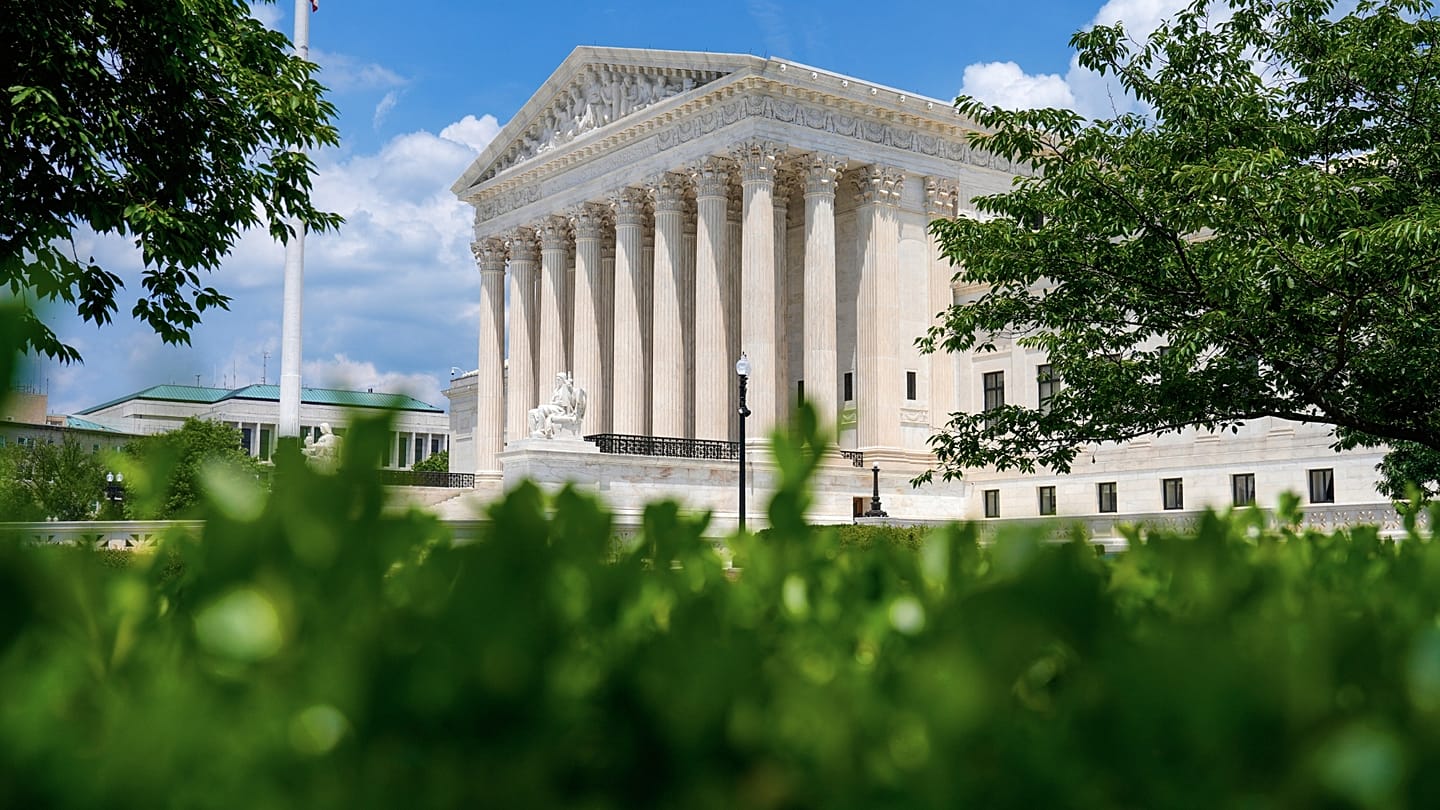
The United States Supreme Court has issued a 6-3 ruling that effectively removes temporary legal protections for hundreds of thousands of Haitian and Syrian nationals, enabling the Trump administration to proceed with mass deportations. The decision, handed down on [date], marks a significant victory for the White House's hardline immigration agenda, but it also reverberates across the Atlantic, where European governments and human rights organisations are closely watching the implications.
The ruling overturns a lower court injunction that had blocked the Department of Homeland Security from ending Temporary Protected Status (TPS) for these two nationalities. TPS had been granted to Haitians after the 2010 earthquake and to Syrians fleeing civil war, with the State Department previously warning that returning individuals to these countries would expose them to extreme danger, including violence and instability.
European Asylum Standards Under Scrutiny
European Union member states, which operate under the Common European Asylum System, have long grappled with similar tensions between national security and humanitarian obligations. The US decision may embolden some European leaders who advocate for stricter deportation policies, particularly in countries like Hungary and Poland, where anti-immigration rhetoric is strong. However, it also highlights the legal and ethical boundaries that European courts, such as the European Court of Human Rights, impose on removals to unsafe countries.
In Brussels, EU officials have been holding secret talks with the Taliban to facilitate deportations of Afghan nationals, a move that has drawn criticism from human rights groups. The US ruling could accelerate such discussions, as European governments seek to balance domestic political pressures with international law.
The decision also comes amid a broader European debate on migration. In Spain, the Supreme Court recently sentenced a former minister to 24 years for corruption related to COVID mask procurement, a case that underscores the continent's focus on accountability. Meanwhile, the Greek Supreme Court has rejected a challenge from the European Public Prosecutor's Office over term limits, illustrating the complex legal landscape across the EU.
Human rights organisations, including Amnesty International and the UN Refugee Agency, have condemned the US ruling, warning that it sets a dangerous precedent. "This decision undermines the principle of non-refoulement, a cornerstone of international refugee law," said a spokesperson for the UNHCR in Geneva. European countries, which are signatories to the 1951 Refugee Convention, are bound by similar obligations, and the ruling may prompt renewed calls for the EU to strengthen its own protections.
For Syrians, the situation is particularly dire. The Assad regime, backed by Russia and Iran, has not guaranteed safe return for refugees, and many European nations have suspended deportations to Syria due to the ongoing conflict. The US decision could pressure European governments to reconsider their stance, especially as far-right parties gain ground in countries like Sweden, where a man was recently sentenced for exploiting his wife in a prostitution ring, highlighting the social challenges linked to migration.
In the Balkans, countries like Serbia and Bosnia are still recovering from the 2015 migration crisis and may face increased pressure if deportations from the US lead to secondary movements. The European Union has invested heavily in border management and readmission agreements, but the effectiveness of these measures remains contested.
The ruling also has implications for transatlantic relations. The Trump administration's unilateral approach to immigration contrasts with the EU's emphasis on multilateral cooperation, as seen in the recent Brussels warning that the Poland-Ukraine spat plays into Putin's hands. European diplomats may find it harder to advocate for human rights in global forums if the US, a key ally, adopts such a hardline stance.
As the US prepares to implement mass deportations, European policymakers are left to reflect on their own asylum systems. The ruling serves as a reminder that the protection of vulnerable populations is not just a domestic issue but a shared international responsibility. Whether Europe will follow a similar path or chart a different course remains to be seen, but the debate is far from over.