Venezuela's National Assembly has approved a landmark agreement that hands the United States control over roughly one-fifth of the country's oil reserves, a move that deepens Washington's influence over a government it helped install after the ouster of Nicolás Maduro in January.
The deal, signed on Wednesday in Caracas, gives the US preferential access to 17 oil fields, including facilities previously operated by Russian and Chinese companies. US officials argue the agreement will lower petrol prices for American consumers and curb the geopolitical reach of Moscow and Beijing in the Western Hemisphere.
US officials defend the deal
US Energy Secretary Chris Wright arrived in Caracas on Tuesday ahead of the signing, while Chevron is expected to announce a major expansion in the country. The Trump administration, facing rising fuel costs linked to the Iran conflict, has touted the deal as a win for American energy dominance.
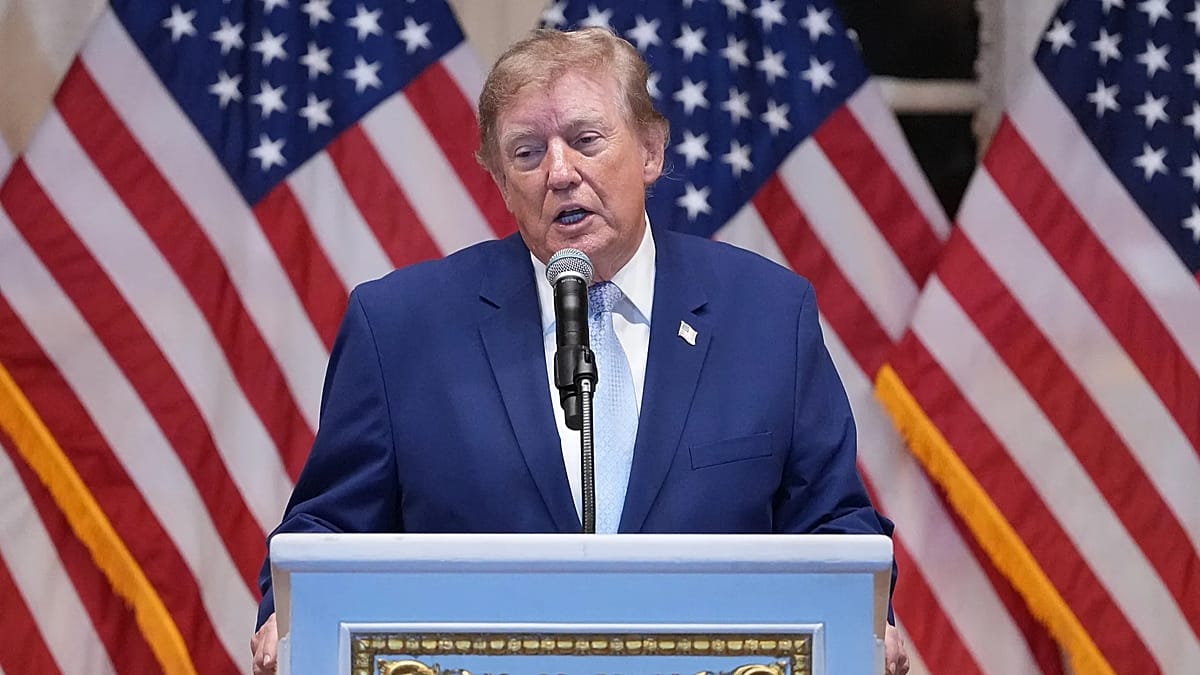
"We are unleashing American Energy Dominance!" President Donald Trump wrote on his Truth Social platform after meeting with oil executives at the White House.
In a Spanish-language interview posted on YouTube, Secretary of State Marco Rubio explained that a private company, North American Blue Energy Partners (NABEP), would work with the US government to "normalize the Venezuelan economy." Rubio noted that the US Defense Department holds a special account that allows it to take possession of a percentage of the assets.
"Essentially, this is now an agreement with the US government," Rubio said. "Now, we have a system where this company will increase production. With US support, it will be able to attract the private investment needed to develop the productive capacity of these fields." He added that the "vast majority" of the 17 fields were previously "in Chinese and Russian hands."
Mixed reactions in Caracas
In the National Assembly, some opposition lawmakers abstained from the show-of-hands vote, demanding to see the written terms first. "We need and are obliged to know what is written in the fine print," said opposition legislator Luis Emilio Rondón.
Assembly chief Jorge Rodríguez defended the deal, asking: "Who benefits from this oil if it stays underground?" Defence Minister Gustavo González López gave the agreement full military backing, describing it as "prosperity and well-being for the country." He added, "Turning a political difference into an economic cooperation agreement is simply a decision to choose peace; it is not subordination."
Controversial figures and oversight
One of the most contentious aspects is the role of Alejandro Betancourt, a Venezuelan businessman linked to corruption under the late Hugo Chávez's administration. Betancourt runs NABEP, in which the US government will take a 35% stake. He was previously accused of involvement in a corruption scheme at state-run PDVSA.
A US official defended Betancourt as a "proven operator," while acknowledging that geopolitics sometimes requires dealing with "imperfect" characters. "I'm not nominating anyone for sainthood here," the official said. "What I am telling you is that this is a person that, in the past, has been helpful to the United States government."
Under the deal, NABEP will grant Washington the right to buy 20% of its oil at production cost. US citizens must constitute a majority of the firm's board, giving Washington effective control, with veto power over members.
The US official said the arrangement would end corruption in Venezuela's oil industry and stop Caracas from giving away supplies to Cuba. "It was used as a personal piggy bank" by Maduro's government, the official said.
The agreement raises significant questions about sovereignty and transparency, and its implications extend beyond the hemisphere. For Europe, which has watched Venezuela's crisis unfold and has its own energy security concerns, the deal could reshape global oil markets and the balance of influence in Latin America. As details remain unclear, European policymakers will be watching closely. The move also comes amid broader shifts in US foreign policy, as seen in Trump's vow to take all of Venezuela's oil, and could have ripple effects for Venezuela's insistence on oil sovereignty.