Volkswagen, Europe's largest automaker, has been dropped from the Euro Stoxx 50, the benchmark index of the eurozone's most valuable listed companies. The change took effect at the market open on Monday, just days after the company issued a profit warning that sent its shares to multi-year lows.
The removal was a mechanical consequence of the index's methodology, which ranks constituents by free-float market capitalisation. Volkswagen's shrinking valuation no longer met the threshold, so index provider Stoxx removed it during its annual review in early September. Finnish telecoms group Nokia and French utility Engie joined the index, while Dutch information-services firm Wolters Kluwer was also dropped.
Although the exit is not a judgment on the company's prospects, the practical impact is significant. Passive funds that track the Euro Stoxx 50 are now forced to sell their Volkswagen holdings, adding downward pressure to a stock that has already lost nearly 30% of its value since the start of the year. The shares traded at around €76 on Monday, down more than 6% from the previous week's open. Stellantis, the maker of Peugeot and Fiat, faced a similar removal last year.
A profit warning that compounds the pain
The timing of the index removal could hardly have been worse. On Friday, Volkswagen flagged approximately €10 billion in one-off charges and slashed its operating margin forecast for 2026 to no more than 1%, down from a previous range of 4% to 5.5%. Analysts had expected a margin of around 4.1%.
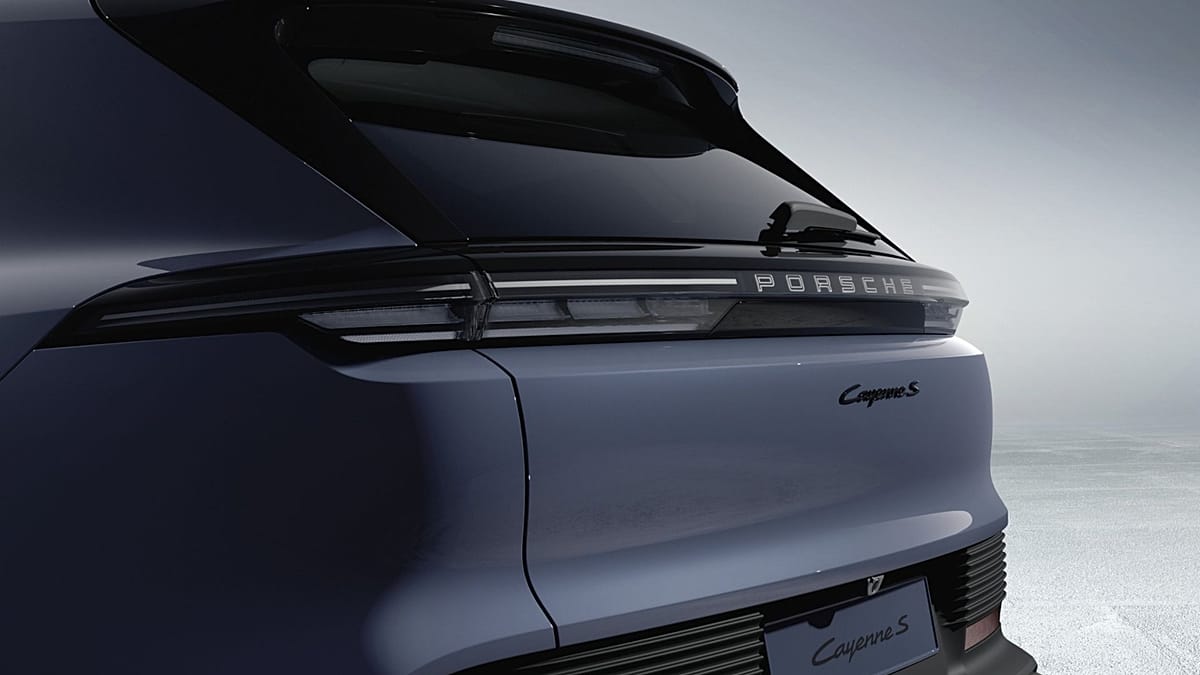
More than €6 billion of the charges stem from a writedown at Porsche, in which Volkswagen holds a 75.4% stake, after the sports car maker lowered its medium-term expectations. Porsche has been hit hard by US tariffs and weak demand in China for foreign luxury brands, and it managed a margin of just 1.1% last year.
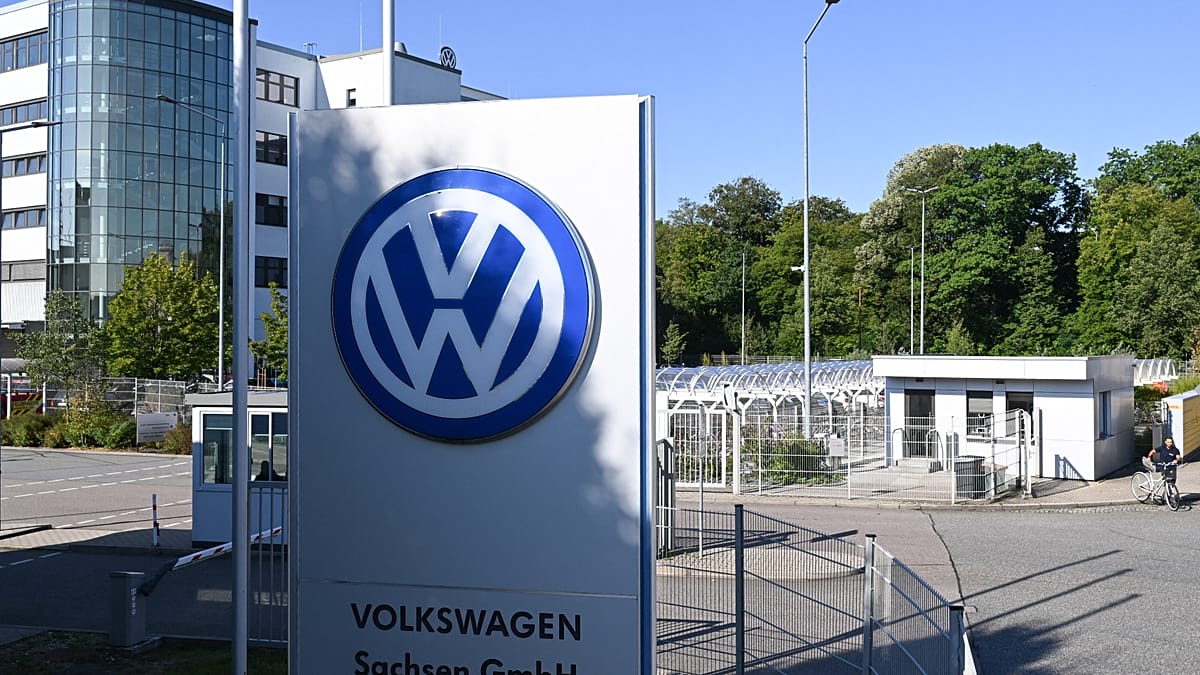
The remaining charges cover expanded early retirement schemes, impairments in China, and the planned sale of Volkswagen Osnabrück GmbH, a wholly owned subsidiary and automotive plant in the northwestern German city of Osnabrück. The company cited a “further deterioration in the market environment, especially in China, as well as an accelerated shift in demand in favour of battery-electric vehicles.”
The warning came just two weeks after Volkswagen agreed to its largest-ever restructuring, doubling planned job cuts to 100,000 and halving its model line-up. That restructuring, which is set to reshape the company's future, has already been the subject of intense scrutiny across the industry.
Not everyone reads the numbers as a collapse. Stripping out the one-off items, Volkswagen puts its underlying margin at around 4%, and it kept its cash flow and liquidity forecasts unchanged. Deutsche Bank, which rates the shares a buy with a €115 price target, said it believes “the headline significantly overstates the deterioration in the underlying business.”
However, the bank does not expect the pain to end there. In a note to clients, it wrote that “additional restructuring charges simply confirm that the transformation process is very expensive and complex […] we expect more to follow over the coming months.”
The challenges facing Volkswagen are not isolated. The broader European automotive sector is grappling with the transition to electric vehicles, rising competition from Chinese manufacturers, and geopolitical tensions that have disrupted supply chains. The company's struggles also raise questions about the future of some of its brands, with uncertainty surrounding Seat beyond 2030.
For now, Volkswagen's exit from the Euro Stoxx 50 is a symbolic milestone that underscores the depth of its current difficulties. The company, once a pillar of European industry, now faces a long and costly road to recovery.