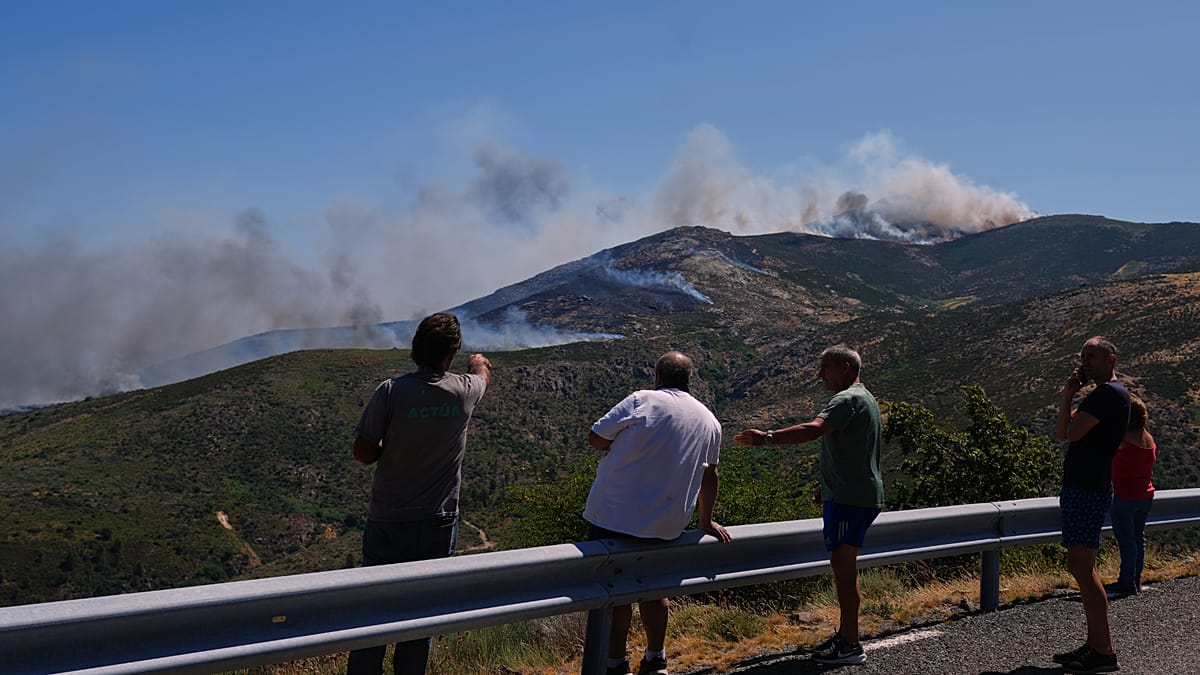
As wildfires continue to ravage parts of southern Europe, the World Health Organization is sounding the alarm on a less visible but equally dangerous threat: the smoke that lingers long after the flames are extinguished. In what is shaping up to be one of the most severe wildfire seasons in recent memory, the WHO's European Centre for Climate Change, Environment and Health is urging public health authorities to do more to inform and protect the most vulnerable.
“These are not merely fire episodes affecting livelihoods and creating this immediate danger; it's a true health emergency,” said Dorota Jarosinska, Programme Manager at the WHO centre. She stressed that the health impacts can persist long after the fire is out and can be felt at considerable distances from the source.
“This smoke coming from wildfires may travel hundreds, if not thousands of kilometres, impairing air quality in places very distant from the fire itself, including urban areas that are heavily inhabited, affecting potentially many people,” Jarosinska added. “It's not necessary to see the flames or to see a plume of smoke to experience the health risk.”
What makes wildfire smoke so harmful
Wildfire smoke is a complex cocktail of toxic pollutants, particulate matter, and gases. The specific health risks depend on what is burning, as fires often consume plastics, electronics, and paints that release hazardous chemicals into the air. “These small, fine particles can really penetrate from the lungs to our blood and trigger a response in our organism, activating our immune system and causing inflammation,” Jarosinska explained.
While healthy individuals may experience only mild symptoms such as throat irritation or a runny nose, those with pre-existing conditions face far greater dangers. People with asthma, chronic pulmonary disease, or heart disease are particularly vulnerable, as are children and the elderly. “The symptoms are diverse and can range from mild to very severe, even life-threatening,” Jarosinska noted.
Public health advice must not leave anyone behind
Jarosinska criticised the current approach to public health guidance, which she says tends to be too general and fails to account for the needs of at-risk groups. While recommendations such as staying indoors and limiting exercise are useful for everyone, she called for more nuanced advice that better addresses the specific circumstances of vulnerable populations.
“Advice is also given to use air conditioning and these high efficiency filters and that's very good advice for those who have these devices,” she said. However, she warned that such guidelines can exclude people who lack access to these resources, such as air-conditioned spaces or clean-air shelters. According to Jarosinska, authorities have a responsibility to provide accessible spaces where people can cool down and breathe clean air, and to ensure these are available to everyone in the community.
“[Authorities must] take care also of those who are more disadvantaged, who cannot access health care, who don't know the local language, who have no access to information,” she added.
A growing strain on healthcare systems
The health emergency also places a significant burden on healthcare systems across the continent. “When we talk about exposure to wildfire smoke and health impact, we think of individuals, their individual suffering and problems. But it's also really a huge strain on the health sector,” Jarosinska said. She emphasised that healthcare professionals need proper training and information to understand the implications of poor air quality, communicate risks effectively, and provide tailored advice to each patient.
As southern Europe battles increasingly intense wildfires, the WHO's warning underscores the need for a more comprehensive approach to public health preparedness. The EU has coordinated wildfire aid for France and Spain, but the health dimension requires sustained attention. The rise of sixth-generation wildfires — more intense and harder to control — only amplifies the urgency. Meanwhile, Spain has created a scientific panel to guide climate policy, a step that could help integrate health considerations into broader disaster planning.