Record-low water levels across the Balkans are disrupting river transport and exposing vast stretches of riverbed, with Croatia's Danube and Drava among the hardest hit. The situation has turned parts of these waterways into landscapes of sand and stranded vessels, raising concerns about the broader impact of drought on the region's economy and ecology.
Danube at historic low near Batina
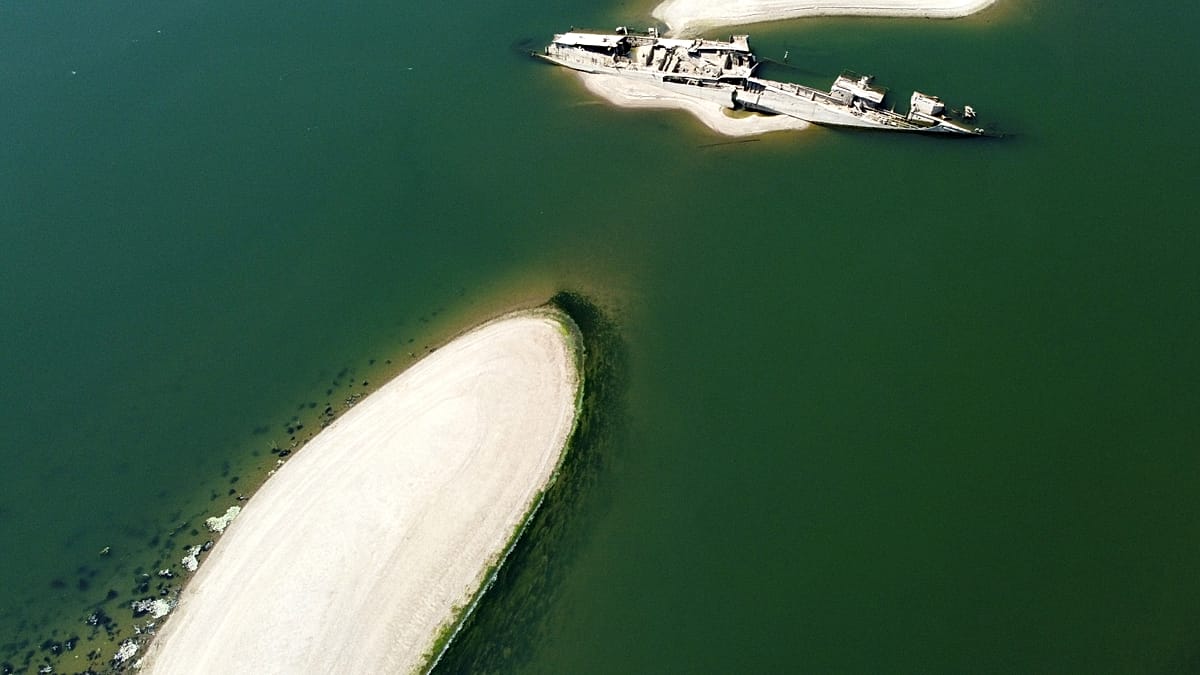
At the measuring station near Batina, in northeastern Croatia close to the Serbian border, the Danube stood at -158 centimetres on Sunday, a level that has not been seen in decades. Large sandbanks have emerged from the receding water, some of which can now be crossed on foot. Locals and visitors have been seen walking on these newly exposed areas, a stark reminder of how dramatically the river has shrunk.
The low water is also taking a toll on navigation. Near Šarengrad, several cargo ships have been unable to proceed along the Danube, forcing operators to seek alternative routes or wait for conditions to improve. The disruption comes at a time when river freight is already under pressure from rising fuel costs and supply chain bottlenecks.
Drava reveals submerged boats near Osijek
On the Drava River near Osijek, the receding water has exposed parts of the riverbed that are normally hidden, including boats that had been submerged for a long time. These wrecks, some of which are decades old, have become a visible symbol of the drought's severity. The exposed vessels have also attracted curiosity, though authorities have warned of potential hazards.
Further east, along the Danube near Ilok, families were seen picnicking on one of the large sandbanks that have appeared. While such scenes may seem idyllic, they underscore the fragility of the region's water resources. The low levels are not just a logistical problem; they also affect ecosystems, water quality, and the livelihoods of communities that depend on the rivers.
The current crisis is part of a wider pattern across Europe, where water reserves are running dry due to a combination of leaks, overuse, and pollution. The Balkans, like much of the continent, have experienced below-average rainfall and above-normal temperatures in recent months, exacerbating the situation.
In Hungary, the Danube's low water has already revealed historical artifacts, including a WWII motorbike near Budapest's parliament, a reminder of the river's role in past conflicts. Such discoveries, while fascinating, highlight the unprecedented nature of the current drought.
The European Union has been working on a resilience plan to address the water crisis, but implementation remains uneven across member states. For the Balkans, which include EU members like Croatia and non-members like Serbia and Bosnia and Herzegovina, coordinated action is essential to mitigate the effects of climate change on shared water resources.
Local authorities in Croatia have urged river users to exercise caution and are monitoring the situation closely. The low water levels are expected to persist in the coming weeks, with forecasts indicating little chance of significant rainfall. For now, the rivers of the Balkans remain at the mercy of a changing climate, and the consequences are being felt from Batina to Ilok.