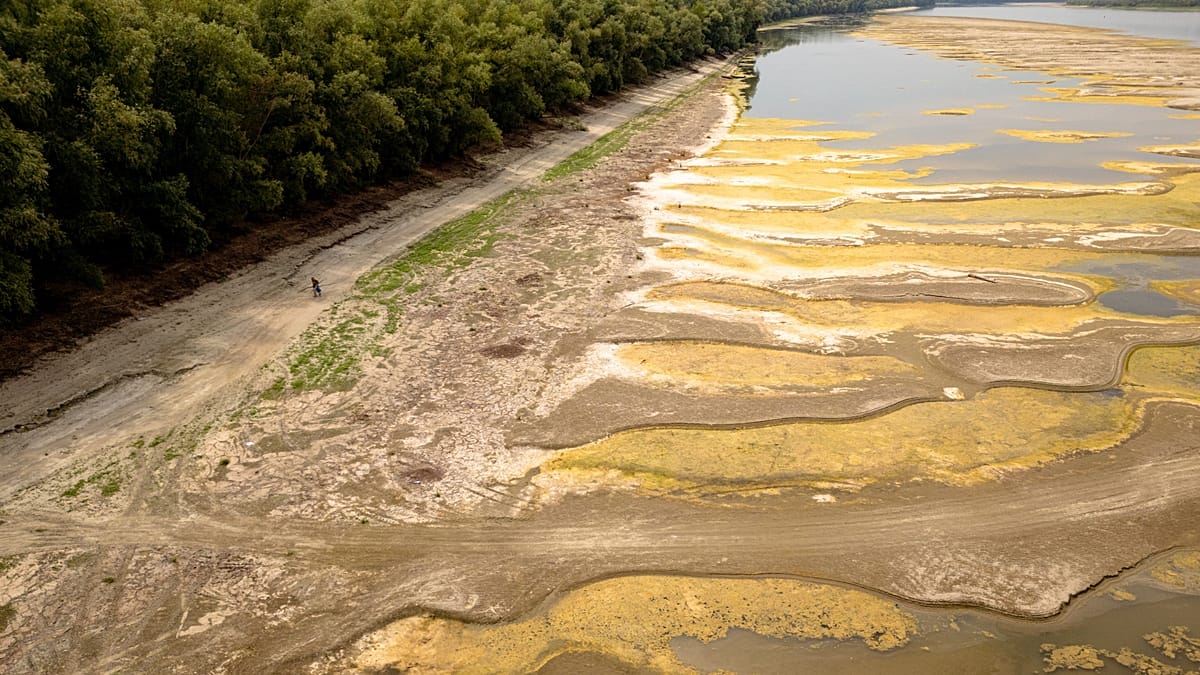
Europe's second-longest river, the Danube, has fallen to unprecedented lows this summer, and the receding waters are exposing layers of history that have long lain hidden. From Bulgaria to Hungary, the drought has brought to light everything from prehistoric fossils to the wrecks of Nazi warships, offering scientists and historians a rare, if sobering, glimpse into the continent's deep past.
Fossils and Roman engineering in Bulgaria
In northern Bulgaria, near the city of Ruse, volunteers have been scouring the exposed riverbank after a mammoth jawbone and tusk fragments were discovered last month. The latest searches have turned up fossilised oysters estimated to be between 60 and 65 million years old, dating back to the early Paleogene period, not long after the dinosaurs vanished.
The mammoth find has sparked a surge of interest among locals eager to join the hunt. But authorities have issued a warning: anyone exploring the riverbed should avoid touching metal objects, which could be unexploded ammunition or explosives left over from past conflicts.
Further upstream, near the village of Gigen, archaeologists have been able to study the foundations of a bridge that they believe was constructed under Emperor Constantine I in the year 328. The structure, which once spanned the river, is a testament to Roman engineering and the strategic importance of this waterway in antiquity.
Wartime relics resurface
The drought has also brought the Second World War back into focus. In Austria, the receding river exposed the wrecks of two German warships, damaged in fighting in 1945 and then scuttled by their own crews. Local media reported the vessels had been sunk to prevent them from falling into enemy hands.
More Nazi-era ships have emerged near the Serbian town of Prahovo, where a fleet of German vessels lies half-buried in the mud. And in Hungary, the German War Graves Commission has confirmed the discovery of a wartime motorcycle and the remains of two German soldiers in the Danube as it flows through Budapest. These finds echo the recovery of soldiers' remains and identity tags from the river earlier this year, a sombre reminder of the human cost of the conflict.
The appearance of the motorcycle and remains has revived memories of the brutal siege of Budapest in the winter of 1944-45, when the city became a battleground between German and Soviet forces. The Wehrmacht motorcycle is now being examined by historians, who hope it will shed light on the final days of the war in Hungary.
A continent in the grip of drought
These discoveries are a direct consequence of the severe drought that has gripped much of Europe this summer. Data from the Copernicus Climate Change Service shows that the continent's major rivers, including the Danube, recorded their lowest July levels since records began. The lack of rainfall and persistent heat have left riverbeds exposed, turning the Danube into a corridor of archaeological opportunity.
In Hungary, the drought has been particularly acute, with lakes and rivers hitting record lows. The situation has raised concerns not only for navigation and agriculture but also for the ecosystems that depend on the river.
While the exposed relics are a boon for researchers, they also serve as a stark warning. The same climate conditions that have revealed these treasures are threatening livelihoods across the continent, from French potato farmers facing their worst harvest in decades to the broader challenges of water management in a warming world.
For now, the Danube's low waters offer a unique window into Europe's layered history—from prehistoric seas to the Roman Empire and the turmoil of the twentieth century. But as the climate continues to change, such glimpses may become more frequent, and the river's secrets will not stay buried for long.