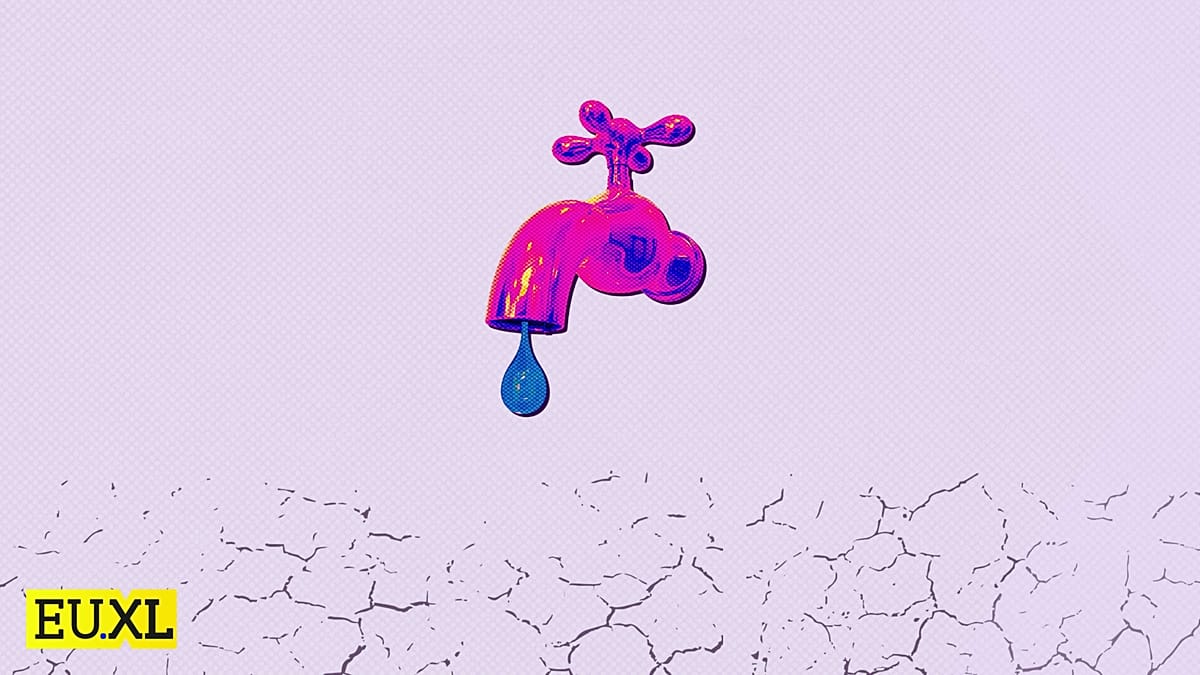
From the parched plains of Andalusia to the receding shores of Lake Maggiore, Europe is confronting a water crisis that is reshaping agriculture, energy, and daily life. Record temperatures have swept from Spain to Finland, forcing rationing and temporary bans on non-essential uses. The European Union's response is a comprehensive plan to make the bloc 'water-smart' by 2030, with a target of improving water efficiency by at least 10 percent.
A continent under pressure
The World Weather Attribution group links the current drought to months of below-average rainfall and record heat between April and June. In 2026 alone, soil moisture deficits are 5 to 11 times more likely than in pre-industrial times. The consequences are stark: France's maize harvest has fallen to a 50-year low, Romania is losing over a million hectares of productive land, and the Danube has dropped to its lowest level since 1996, disrupting shipping and tourism. The low waters have even exposed wartime relics, a stark reminder of how far the river has fallen.
Wildfires are also intensifying. The EU reports that 500,852 hectares have burned so far this year, up from 381,444 hectares in the same period in 2025. The crisis is not new—decades of overuse, pollution, and poor management have depleted aquifers and degraded ecosystems, leaving little buffer against climate shocks.
The Water Resilience Strategy
Adopted in 2025, the EU's Water Resilience Strategy aims to secure long-term water supply across the bloc. It outlines over 50 actions, 30 of which are considered crucial, with three already completed. The plan rests on three pillars: restoring and protecting water quality and quantity by reducing pollution and over-extraction; building a water-smart economy through digitalisation to monitor and manage use and cut waste; and ensuring access to clean, affordable water while encouraging water-saving habits and efficient products.
Digitalisation is central to the strategy. Smart meters, satellite monitoring, and AI-driven leak detection can help utilities and farmers use water more precisely. For example, Swiss releases have been propping up Lake Maggiore as Italy's crisis deepens, but such ad-hoc measures are no substitute for systemic change.
The strategy also addresses the economic dimension. Water losses from leaking pipes in many European cities exceed 20 percent, and the European Commission estimates that every euro invested in water efficiency can save several euros in avoided damages. The plan encourages member states to adopt water-efficient technologies and to reform pricing to reflect true costs, while protecting vulnerable households.
France has already imposed restrictions across nearly 70 percent of its territory, and other countries are following suit. The root causes are leaks, overuse, and pollution, which the strategy aims to tackle head-on.
Critics argue that the 10 percent efficiency target is modest given the scale of the challenge, but supporters see it as a realistic first step. The strategy also aligns with the European Green Deal and the EU's climate adaptation goals, and it complements other initiatives such as the EU AI Act, which may soon require water footprint disclosures for data centres.
As the continent warms, the need for action is urgent. The EU's plan offers a roadmap, but its success will depend on implementation by national and local authorities, and on a shift in how Europeans value and use water. The coming years will test whether the bloc can turn strategy into resilience.