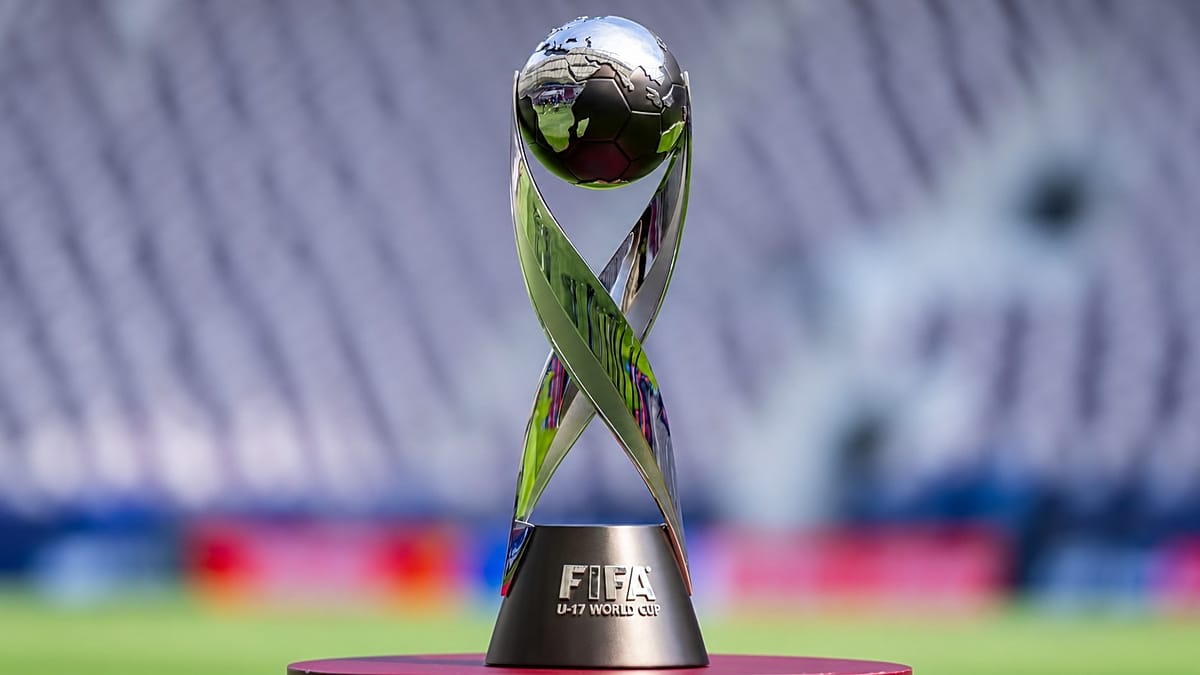
The FIFA Under-17 World Cup kicked off in Qatar on Thursday, with 48 teams competing across 104 matches. Among them are 11 European sides, including four making their first appearance at this level.
Greece, Montenegro, Romania, and Serbia are all debutants at the U-17 World Cup. For Montenegro, this marks the country's first participation in any FIFA World Cup tournament, a significant milestone for the Balkan nation.
Italy arrive in Doha as European champions, having beaten Belgium on penalties in the final of the continental championship in June. France, who last lifted the U-17 trophy in 2001, are also among the favourites. The rest of Europe's contingent comprises Belgium, Croatia, Denmark, Ireland, and Spain.
Notably absent are defending champions Portugal and last year's runners-up Austria, both of whom failed to qualify. Their absence opens the door for other nations to make an impact.
Opening day and format
The opening day featured eight matches at Doha's Aspire Zone, including France against Haiti, Greece against Egypt, and hosts Qatar facing Panama. The group stage runs until 27 November, with the top two from each of the 12 groups and the eight best third-placed teams advancing to the round of 32. The knockout rounds begin on 30 November, and the final is scheduled for 13 December at Ahmad bin Ali Stadium.
All matches except the final will be played across eight pitches at the Aspire Zone, a sprawling sports complex in the Qatari capital. The tournament has expanded from 24 to 48 teams since last year, reflecting FIFA's push to broaden youth football's global reach.
Qatar is hosting the second of five consecutive editions from 2025 to 2029, a run that underscores the country's growing role in international football. The decision to award multiple editions to a single host has drawn both praise for continuity and criticism over the concentration of major events in one region.
The United States withdrew from the tournament over security concerns, and the Dominican Republic took its place. FIFA said the US decision was linked to an existing travel advisory for Qatar, while its own security assessment remained unchanged.
For European fans, the tournament offers a glimpse of the continent's next generation of talent. Italy's squad will look to build on their European success, while France's young side aims to end a 24-year wait for a world title. The debutants—Greece, Montenegro, Romania, and Serbia—will be eager to make a mark on the global stage.
Beyond the pitch, Qatar's hosting continues to draw attention to its broader ambitions, from sports to creative industries and regional diplomacy. The country has also been active in opening new channels with Iran and promoting sustainability initiatives, as seen in its recent Sustainability Week.
As the tournament progresses, European sides will face varied opposition from Africa, Asia, and the Americas. The expanded format means more matches and more opportunities for emerging players to shine, but also greater unpredictability. Italy's path to the final will likely test their depth, while France's attacking flair could prove decisive.
With the final set for mid-December, the U-17 World Cup promises to be a showcase of youthful talent and a reminder of football's global appeal. For the four European debutants, it is a chance to write a new chapter in their footballing histories.