Europe's economy is at a crossroads, grappling with a toxic combination of sluggish growth, mounting public debt, and rising borrowing costs. As sovereign bond yields climb, governments across the continent are finding it increasingly difficult to finance future investments, raising questions about the region's ability to compete globally.
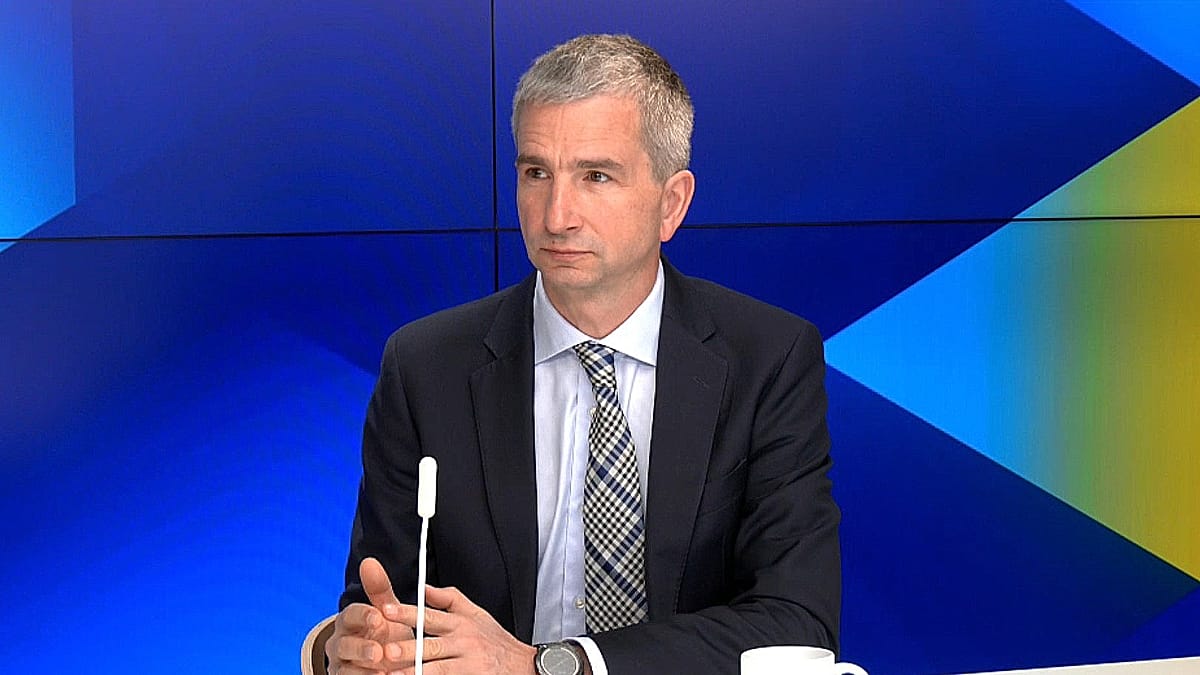
In an interview with Stefan Grobe, Mateusz Szczurek, head of the International Monetary Fund's European Department, delivered a stark message: the structure of Europe's economy needs to change more quickly. The warning comes as many EU member states, from Paris to Warsaw, face fiscal pressures that limit their room for maneuver.
Structural weaknesses persist
Szczurek pointed to deep-rooted problems that continue to hold the continent back. Poor productivity growth, a lack of competitiveness, and demographic challenges are among the key issues. "Europe has been too slow to adapt," he said, emphasizing that the current pace of reform is insufficient to meet the demands of a rapidly changing global economy.
The IMF's concerns are not new, but the urgency has intensified. With the European Central Bank tightening monetary policy to combat inflation, borrowing costs have risen sharply, squeezing public finances. Countries like France, where the economy has stalled amid a budget deadlock, are particularly exposed.
Szczurek stressed that the solution lies not in short-term fixes but in structural reforms that can unlock long-term growth. "We need to see a shift towards more investment in innovation, digitalization, and green technologies," he argued. "The effects of climate change are already being felt across Europe, from agriculture to energy, and adapting will require significant investment."
The IMF's prescription includes labor market reforms, better integration of capital markets, and a stronger focus on research and development. Szczurek also highlighted the importance of completing the Banking Union and Capital Markets Union to channel savings into productive investments.
However, political realities often hinder progress. In many countries, reforms are unpopular and face resistance from entrenched interests. The recent strikes across Europe illustrate the social tensions that can arise when governments attempt to overhaul labor laws or pension systems.
Szczurek acknowledged these challenges but insisted that the cost of inaction is far higher. "The longer we wait, the more painful the adjustment will be," he warned. He called on European leaders to show political courage and pursue reforms that may not be immediately popular but are essential for the continent's future prosperity.
The IMF's message comes at a critical time. With the war in Ukraine continuing to disrupt energy supplies and trade, and with global competition intensifying, Europe cannot afford to stand still. The next few years will be decisive in determining whether the continent can reverse its decline and reclaim its position as a global economic powerhouse.
As Szczurek put it, "Europe has the potential, but it needs to act now. The window of opportunity is closing."