The International Monetary Fund has revised its economic outlook for sub-Saharan Africa, warning that the ongoing war in the Middle East is undermining a fragile recovery. In its latest regional report, titled Hard-Won Gains Under Pressure, the IMF projects growth will slip to 4.3 percent in 2026, down from 4.5 percent in 2025—the region's fastest pace in a decade. Median inflation is expected to climb to 5.0 percent by year-end, reversing recent progress.
This setback comes just as many economies were gaining momentum. Countries such as Benin, Côte d’Ivoire, Ethiopia, and Rwanda had posted growth rates above 6 percent, supported by reduced macroeconomic imbalances, rising investment, and a favourable external environment. Inflation had fallen to around 3.5 percent, and public debt levels were beginning to decline.
War in the Middle East Reverses Gains
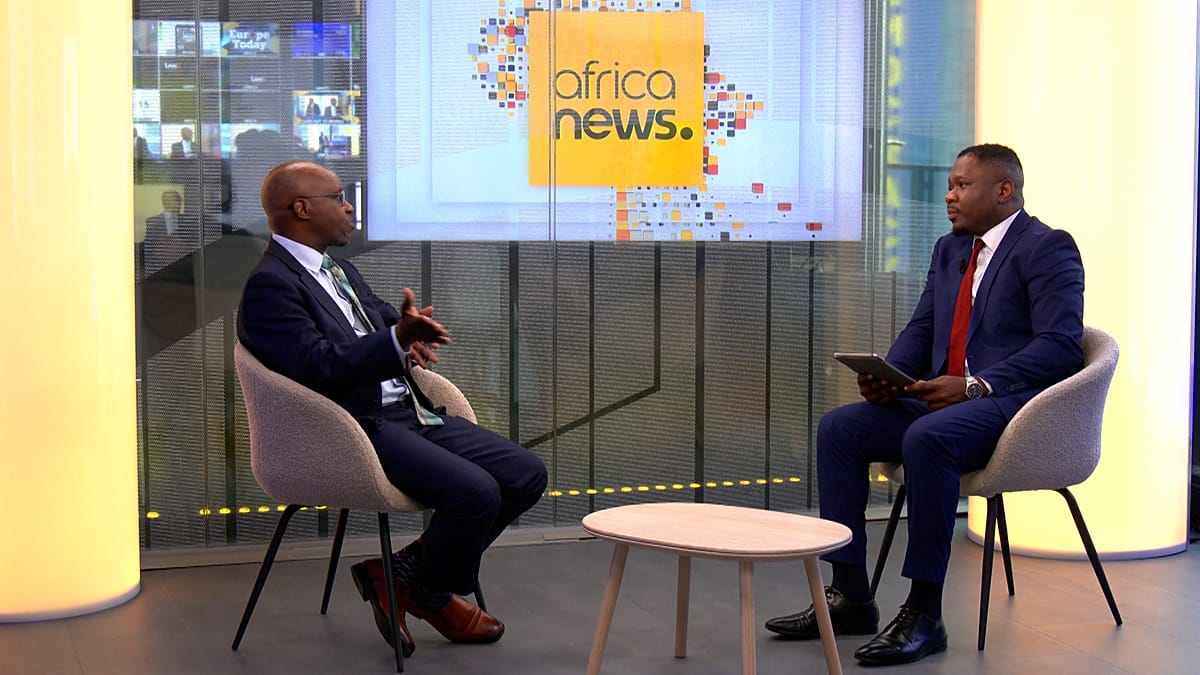
“But the war in the Middle East has really put a damper on all this,” Montfort Mlachila, deputy director of the IMF’s African Department, told Africanews. He explained that the conflict is driving up prices for oil, fertiliser, and transport, while also hurting tourism—a vital sector for several African nations. The region now faces yet another major shock, the latest in a series dating back to the pandemic.
The IMF’s risk assessment warns that a 20 percent increase in international food prices could push as many as 20 million people into moderate or severe food insecurity across Africa. The hardest-hit countries are those that import oil and already suffer from high inflation, low foreign-exchange reserves, sluggish growth, and large fiscal deficits. “Those countries are really not able to meet these challenges caused by the oil price shock as a result of the war,” Mlachila said.
Nations with stronger buffers—such as adequate reserves, low inflation, and robust growth—can more easily absorb the shock. In contrast, highly vulnerable economies like Sierra Leone, the Central African Republic, and South Sudan face acute pressures. The IMF’s warning echoes concerns raised by other institutions; for instance, the Asian Development Bank recently cautioned that rising energy and fertiliser costs threaten growth in the Pacific.
Aid Cuts Compound the Crisis
Sub-Saharan Africa, the world’s largest recipient of bilateral aid, saw an estimated 16 to 28 percent reduction in such assistance in 2025, translating to a loss of between $4 billion and $7 billion compared to 2024 levels. These cuts—unprecedented in scale and scope—are hitting low-income and conflict-affected states hardest. “The impact of that is going to be felt quite a lot, especially in the most vulnerable countries,” Mlachila noted, pointing to critical needs in health and education.
The IMF is providing financial assistance to help countries adjust, with a focus on building long-term resilience. “At the very least, the additional support should cushion the shock,” Mlachila stressed. Without it, nations may struggle to meet basic needs, and some could see their foreign reserves depleted. He urged governments to implement targeted measures, such as cash transfers, to alleviate immediate hardship.
When asked about concerns that IMF-mandated fiscal or monetary policies could worsen conditions, Mlachila rejected the notion. “We will ameliorate the situation compared to a situation when there is no support whatsoever,” he said. He also highlighted the IMF’s role as a catalyst for broader international support, including from the World Bank, the European Union, and bilateral donors. “When we step in, other donors feel more comfortable to be able to support.”
The crisis in Africa is part of a wider global economic strain. In Europe, the IMF has warned that a prolonged Middle East conflict could push the continent into recession, while sectors like aviation are already feeling the pinch—Lufthansa recently posted record revenue but cautioned that rising fuel costs from the Iran war will hit annual profits.