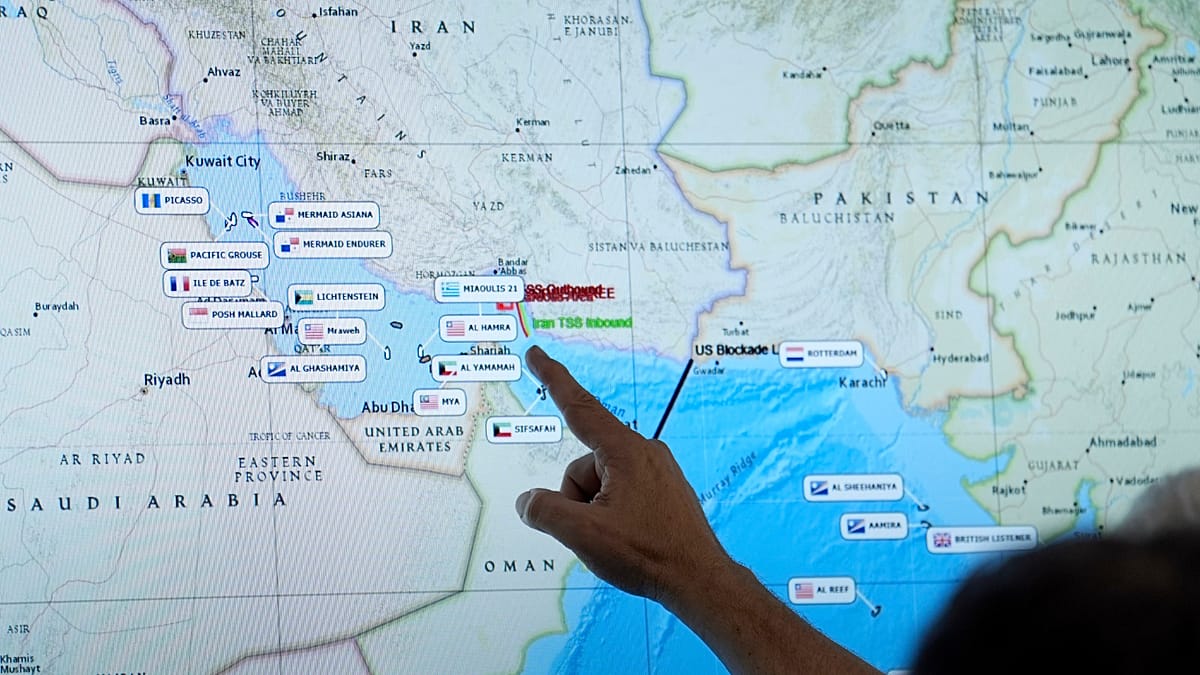
The Asian Development Bank (ADB) has revised down its growth forecast for the Pacific region, warning that economic expansion could fall from 4.2% in 2025 to 2.8% in 2026, with a worst-case scenario of just 2.0%. The downgrade reflects mounting pressure from global energy supply disruptions, exacerbated by the conflict in the Middle East, and rising costs for imported fuel and fertiliser.
ADB President Masato Kanda told Euronews that the institution is already fielding multiple requests for assistance from affected economies. “We have received several support requests and want to deliver assistance quickly and beyond immediate needs,” he said. “We stand ready to help Pacific countries build resilience by diversifying energy sources.”
Small Island States Bear the Brunt
The bank singled out small island developing states as particularly vulnerable. Tonga, for instance, spends more than 10% of its gross domestic product on fossil fuel imports, leaving its economy exposed to price volatility. Across the region, dependence on imported energy and food inputs creates a fragile economic base.
To address these vulnerabilities, the ADB is expanding investment in energy security and infrastructure. Kanda highlighted the 15-megawatt Tina River Hydropower Project in Solomon Islands, which upon completion in 2028 is expected to supply roughly 70% of the country’s electricity. The bank is also supporting the deployment of battery and energy storage systems in several economies to improve grid stability and reduce reliance on imported fuels. “We are seeing investment in power storage systems in several countries, and this could help economies become more resilient over the long term,” Kanda added.
Fertiliser Prices Threaten Food Security
Beyond energy, the ADB warned that rising fertiliser prices are adding pressure to food security and agricultural production across developing Asia. Import dependence accounts for more than 60% of consumption in most subregions, leaving them highly susceptible to external market swings. South Asia is the most exposed, with 34% of its fertiliser imports originating from the Middle East, followed by Central and West Asia at 24%, Southeast Asia at 17%, and East Asia at 13%.
Low-income economies with large agricultural sectors face the greatest risks, as they combine heavy import reliance with vulnerability to food production shocks. The bank noted that these pressures could exacerbate inflation and social instability if left unaddressed.
Regional Cooperation and Policy Response
The ADB is deploying a mix of emergency and medium-term measures, including trade finance, budget assistance, and resilience programmes. “We use our trade and supply chain financing for immediate short-term needs,” Kanda said. “We also provide rapid budget support to protect vulnerable populations and deploy medium-term resilience tools to stabilise economies.”
The impact is not confined to the Pacific. Japanese Finance Minister Satsuki Katayama told Euronews that the effects are global, though uneven. “Central Asia includes major energy producers, so the impact may be less than elsewhere. Still, the entire world is being affected,” she said. Katayama stressed the need for closer regional cooperation, including supply chain diversification and energy transition efforts. “These changes take time, but there is a shared sense that we are moving in the same direction,” she added.
For European readers, the ADB’s warning echoes similar concerns closer to home. The IMF has warned that Europe faces recession risk if the Middle East conflict prolongs, and the IMF has urged the EU to sharpen energy relief for vulnerable households. Meanwhile, the ADB has unveiled a €65 billion plan for cross-border energy and digital links, signalling a long-term commitment to infrastructure resilience.
With energy and food markets remaining under pressure, the ADB said the regional outlook will depend on how effectively economies adapt to continued supply disruptions and external shocks. The bank’s message is clear: without accelerated investment in diversification and resilience, the Pacific—and beyond—faces a prolonged period of economic strain.