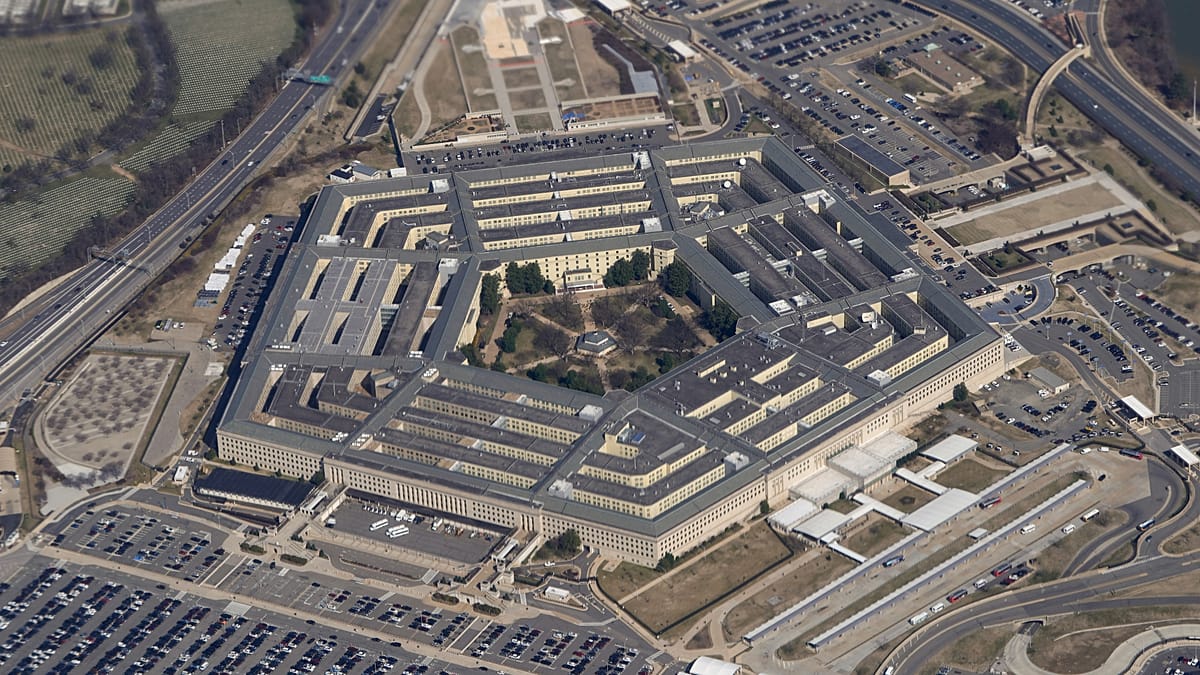
Following media reports of a cyber intrusion into the US Air Force's flagship cloud computing platform, the Pentagon has moved to reassure the public that its systems remain secure. In a statement on Friday, a Defence Department official said, "The Department of War's systems are safe, secure, and managed 24-7 by the best experts and teams in the world. We will continue to maintain all mission-critical operations and applications."
Earlier on Friday, another Defence Department official had declined to comment on the status of the networks, citing policy and operational security. The Pentagon did not directly confirm or deny the specific breach of the Cloud One platform, but sources told Reuters that the intrusion was discovered last month.
Potential exposure of sensitive data
The breach, which sources described as "a big deal," could compromise a wide range of sensitive tactical, personal, and logistical data. The Cloud One platform underpins the Air Force's Cloud-Based Command and Control system, which handles air defence radar, data feeds from across North America, and combat systems that track bombs and missiles across more than 200 US Air Force locations worldwide.
NBC News reported on Friday that the hack "could have exposed sensitive military information," while Federal News Network, citing a source familiar with the incident, also confirmed the breach. The platform has been a target for hackers for years; in 2023, its leadership boasted a "100% success rate" in repelling intrusion attempts.
The reported breach comes amid a string of high-profile cyber incidents affecting US institutions. The CIA and FBI have reportedly been targeted, as have suppliers for major financial firms like JPMorgan Chase, Visa, and Mastercard. Microsoft Outlook, US air traffic control, and a top-secret NSA network have also experienced disruptions, though officials have attributed those to maintenance or defects rather than intrusions.
These incidents are not confined to the United States. In October, the European Commission was hit by an AI-assisted cyberattack, underscoring the growing threat to governmental and institutional networks on both sides of the Atlantic. The EU military chief has warned that hybrid attacks from the Baltics to the Black Sea demand a faster defence buildup, a reminder that cyber threats are a shared challenge for European and transatlantic security.
The Pentagon's insistence on the security of its systems, despite the reported breach, raises questions about transparency and the potential impact on military operations. While the US military maintains that all mission-critical operations are unaffected, the full scope of the intrusion remains unclear.
For European observers, the incident highlights the vulnerabilities inherent in cloud-based defence infrastructure, a concern that resonates as NATO allies increasingly rely on similar systems. The US expansion of its military role in Greenland and the UK's warning to defence firms over Russian sabotage are reminders of the heightened security environment across the continent.
As investigations continue, the focus will be on determining the extent of the data exposure and whether any sensitive information has been compromised. The US military's assurance of security, while firm, may not fully assuage concerns among allies and partners who depend on the integrity of shared defence networks.