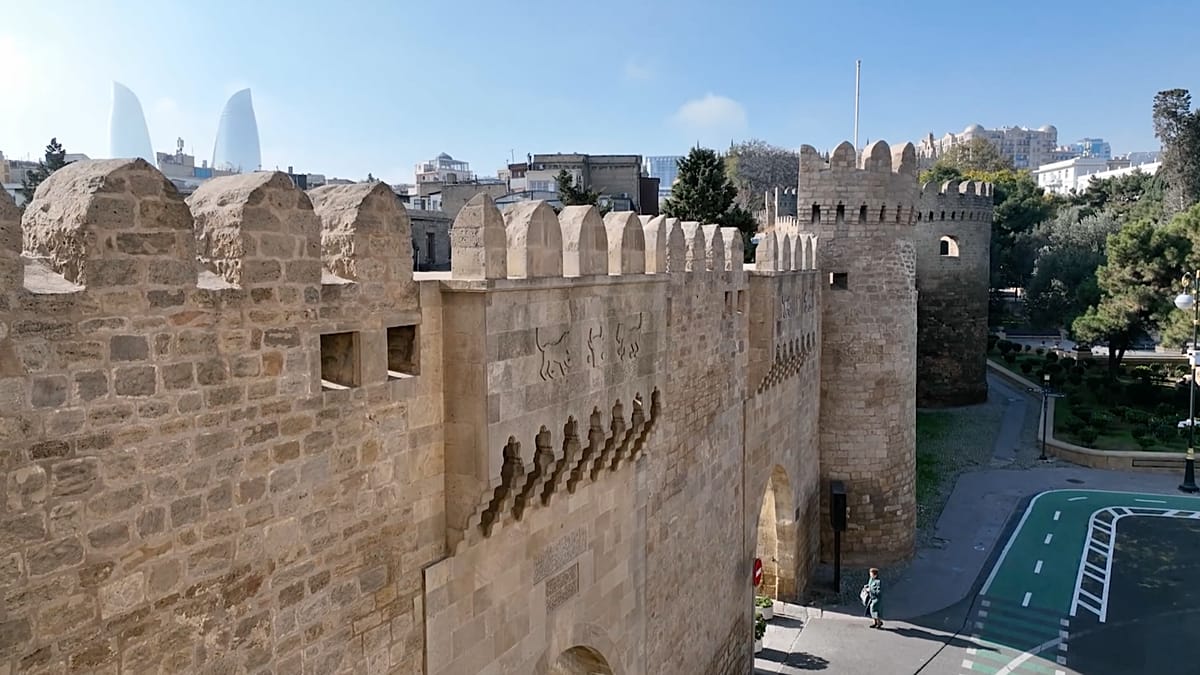
In the heart of Baku, Azerbaijan, the ancient walled city of Icherisheher—also known as the Old City—stands as a testament to centuries of history. But unlike many heritage sites that risk becoming frozen in time, Icherisheher is a living, breathing neighborhood where preservation and progress coexist. Its management, the Icherisheher State Historical-Architectural Reserve Department, has adopted a model that could inspire similar efforts across Europe, from the Normandy D-Day beaches to medieval towns in the Alps.
A UNESCO Jewel in the Caucasus
Icherisheher, meaning "inner city" in Azerbaijani, is one of the oldest continuously inhabited areas in the region, with archaeological evidence dating back to the 7th century. Its labyrinthine alleys, caravanserais, and the iconic Maiden Tower—a 12th-century structure shrouded in legend—draw hundreds of thousands of visitors each year. In 2000, UNESCO recognized its universal value, listing it as a World Heritage site. But the challenge for local authorities has been to protect this fragile urban fabric while allowing it to evolve.
"We are not a museum in the traditional sense," says a spokesperson for the Icherisheher Reserve. "People live here, work here, and raise families. Our task is to ensure that the heritage is not just preserved but also integrated into modern life." This philosophy has guided a series of initiatives that blend conservation with sustainable urban management.
Balancing Tourism and Community Life
One of the most pressing issues for historic cities across Europe is overtourism. In Icherisheher, the authorities have implemented measures to control visitor flows, including timed entry to key sites and the promotion of off-peak visits. They have also invested in infrastructure that serves both residents and tourists: improved waste management, pedestrian-friendly streets, and green spaces. The result is a district that feels alive, not overrun.
Local businesses, from traditional carpet shops to modern cafes, thrive under these conditions. The Old City has become a hub for artisans and entrepreneurs, many of whom are young Azerbaijanis returning to their roots. This economic vitality is crucial for the site's long-term sustainability, as it provides jobs and incentives for residents to stay.
Digital Innovation Meets Ancient Stones
Technology plays a key role in Icherisheher's preservation strategy. The reserve has launched a digital mapping project that uses 3D scanning to document every building, alley, and artifact. This data helps monitor structural changes and plan restoration work with precision. Visitors can also access an augmented reality app that overlays historical images onto the modern streetscape, offering a glimpse into the past without disturbing the present.
Such innovations are not unique to Baku. Across Europe, from Lake Constance to the Alpine water towers, heritage managers are turning to digital tools to protect and interpret cultural assets. Icherisheher's approach, however, stands out for its integration of community feedback. Residents are consulted on every major decision, ensuring that the digital transformation serves their needs.
Lessons for Europe's Historic Cities
As the European Union grapples with the challenges of urban heritage conservation—from the Shusha Forum discussions on cultural identity to the pressures of climate change—Icherisheher offers a practical model. Its success lies in treating heritage not as a static asset but as a dynamic resource. The reserve's budget is partly funded by tourism revenue, which is reinvested into conservation and community programs. This self-sustaining cycle is something many European cities, from Dubrovnik to Bruges, could emulate.
Critics might argue that Baku's political context complicates comparisons with EU member states. Azerbaijan's government has been accused of using heritage projects to bolster national identity and divert attention from human rights issues. Yet the day-to-day work of the Icherisheher Reserve remains focused on practical outcomes: restoring a 15th-century bathhouse, installing energy-efficient lighting in narrow streets, and training local guides in multiple languages.
For European travelers, a visit to Icherisheher is a reminder that history is not a relic but a foundation. As the continent debates the future of its own heritage—whether in the age of social media or amid geopolitical shifts—this small corner of Baku shows that preservation and progress can go hand in hand.