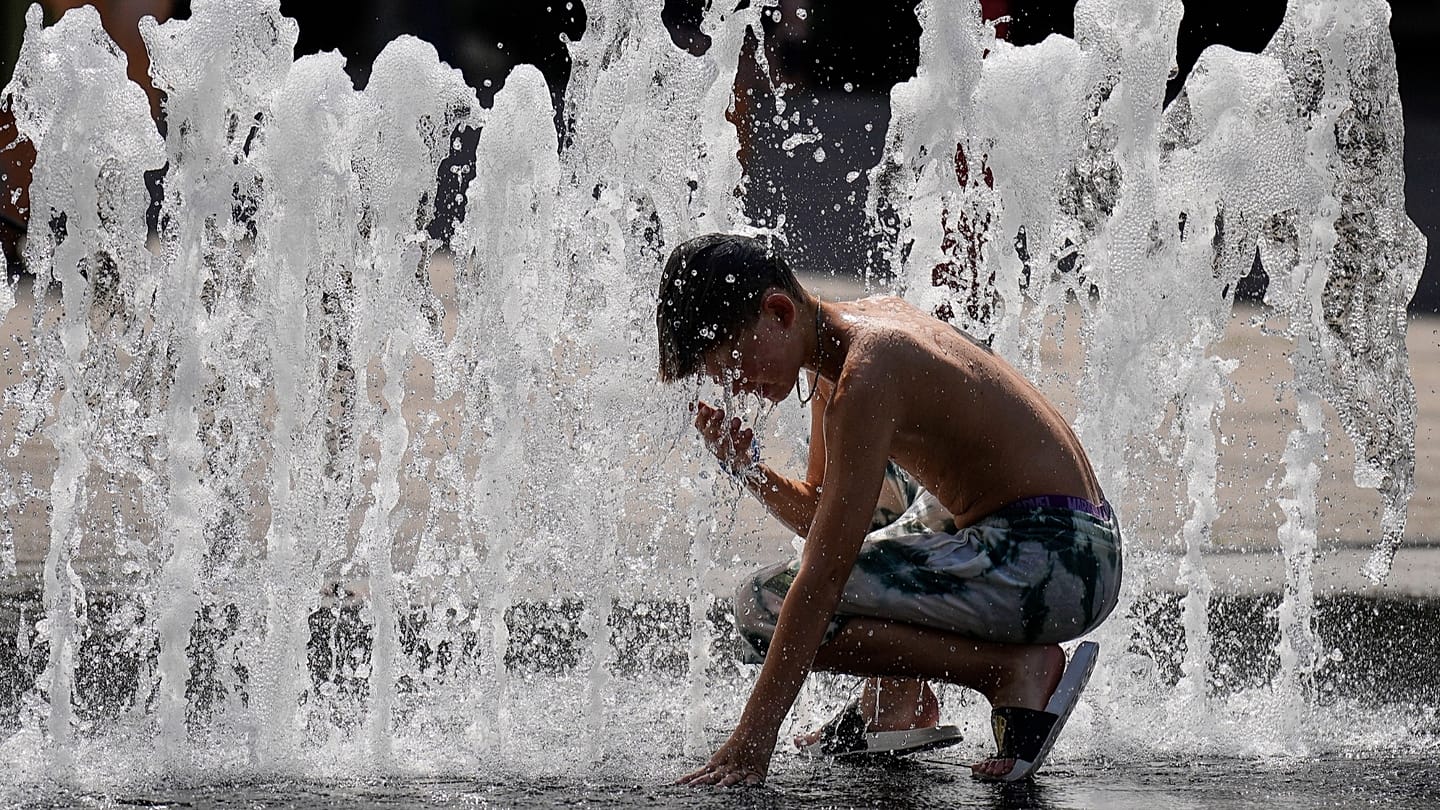
As a heatwave pushes temperatures toward 40°C in parts of Central Europe, the region is confronting a dangerous vulnerability: its buildings are designed to retain heat, and air conditioning remains rare. The coming days could put hospitals, schools, and vulnerable populations under severe strain in countries where such extremes were once unthinkable.
Meteorologists warn that cities in Germany, Poland, the Czech Republic, and Austria may see mercury levels approaching 40°C, far above the July averages for these latitudes. Unlike southern Europe, where architecture has evolved over centuries to cope with heat—shuttered windows, thick stone walls, and shaded courtyards—many Central European structures were built to conserve warmth during long, cold winters. The result is a dangerous mismatch: modern apartment blocks and office towers with large glass facades trap solar radiation, turning interiors into greenhouses.
Infrastructure Unprepared for Extreme Heat
Health officials in Berlin and Vienna have already issued warnings, advising residents to stay indoors during peak hours and to check on elderly neighbours. Yet staying indoors may offer little relief. A study by the German Environment Agency found that indoor temperatures in many unrenovated buildings can exceed outdoor temperatures by several degrees during prolonged heat events. In cities like Prague and Warsaw, where air conditioning penetration in households is below 10 percent, the risk of heat-related illness is acute.
Schools are particularly vulnerable. Many lack cooling systems, and classrooms become stifling by mid-morning. In the Czech Republic, some municipalities have announced early closures or shortened school days. Hospitals, too, are bracing for an influx of patients suffering from dehydration, heatstroke, and exacerbation of chronic conditions. Emergency services in Saxony and Bavaria have activated heat protocols, but the infrastructure is not designed for sustained high temperatures.
The Cost of Inaction
The economic and social costs are mounting. Low-income households, outdoor workers, and working mothers are disproportionately affected, as they often lack the resources to install cooling or to escape the heat. In Paris, where similar architectural challenges exist, residents have been forced to sleep in parks during previous heatwaves—a pattern that may now repeat in Central European capitals.
Climate scientists have repeatedly linked the intensity of such events to global warming. A recent attribution study concluded that Europe's heatwave was virtually impossible without climate change. Yet adaptation has lagged. Retrofitting buildings with insulation that works both ways, installing green roofs, and expanding urban tree cover are slow, expensive processes. Meanwhile, the demand for portable air conditioners has surged, but their energy consumption strains grids and exacerbates carbon emissions.
A Call for Long-Term Planning
Urban planners and public health experts argue that Central Europe must treat heatwaves as a chronic threat, not a seasonal anomaly. This means updating building codes to require passive cooling measures, investing in district cooling systems, and ensuring that hospitals and schools are equipped with backup power for air conditioning. The European Commission has urged member states to include heat resilience in their national energy and climate plans, but implementation remains uneven.
As the mercury climbs, the gap between southern and northern Europe's preparedness becomes stark. For now, the advice is simple: hydrate, shade, and check on neighbours. But without structural change, the next heatwave will only be worse.