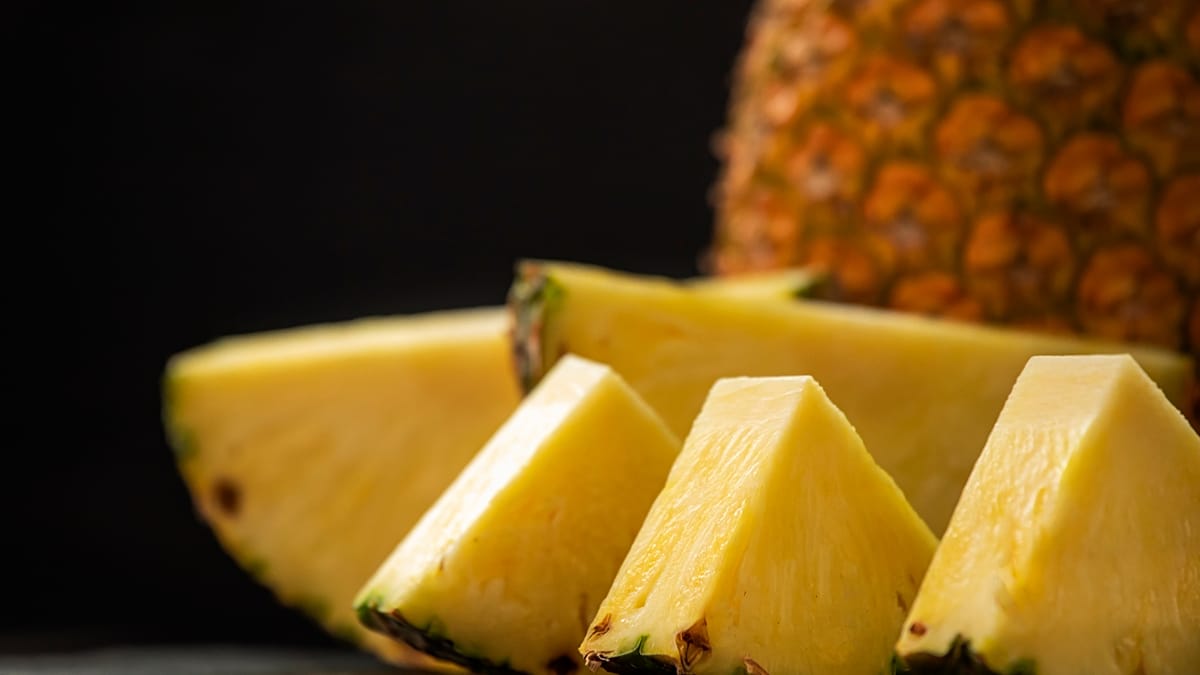
Costa Rica is leveraging its decades-long environmental reputation to push premium agricultural products into European markets, using a partnership with Amazon to reach consumers in the United Kingdom, Spain, and Germany. The initiative, dubbed “Producers of Well-being,” combines digital advertising, in-store tastings, and high-traffic activations to tell the story behind crops like coffee, cassava, and tropical fruits.
The campaign, developed with Amazon Ads Brand Innovation Lab, places Costa Rican products across the company’s ecosystem—Fire TV, Amazon Prime, branded online stores, Amazon Fresh bags, lockers, and even Alexa voice prompts. In physical retail, shoppers at Tesco and Morrisons in the UK, Ahorramás and Bonpreu in Spain, and Handelshof in Germany have encountered tasting stations and product displays. London’s Waterloo Station hosted a high-impact activation, while influencer collaborations in Spain and the UK introduced recipes using pineapple, cassava, and bananas.
“The main innovation of this campaign is to support Costa Rica’s agribusiness sector through a B2C strategy in key markets, with direct communication to the end consumer to educate and promote the consumption of Costa Rican products not only for their quality, but for their origin,” said Adriana Acosta, Director of essential COSTA RICA. The campaign generated nearly 88 million impressions across digital and physical touchpoints, reaching over 40 million people in the Americas, Europe, Asia, and the Middle East.
Sustainability as a Competitive Edge
Costa Rica’s agricultural push is inseparable from its environmental record. Ranked first in Latin America in Yale’s Environmental Performance Index 2024, the country has over 30 environmental protection laws and a mandatory Environmental Impact Assessment system. It is the exporter with the lowest CO₂ emissions intensity per dollar in the region. In 2024, Costa Rica became the first country to ship deforestation-free coffee to Italy, a milestone verified by the UNDP. Its banana industry, which exported €1 billion worth of fruit in 2024—equivalent to 33 percent of agricultural exports and 1 percent of GDP—operates on less than 1 percent of national territory, protecting over 14,500 hectares of forest and recycling all production plastics, according to CORBANA.
This environmental foundation is increasingly a market advantage. European consumers, particularly in the UK, Germany, and Spain, are demanding traceability and responsible production. Costa Rica’s bananas are the only ones in Latin America with a geographical indication seal, and 63 percent of banana farms are carbon-neutral. The “Producers of Well-being” campaign aims to translate these facts into consumer trust and loyalty.
The strategy reflects a broader shift in global trade, where digital platforms and storytelling are becoming essential tools for agricultural exporters. By integrating online promotion with real-world experiences, Costa Rica is demonstrating how smaller nations can compete in premium markets without relying solely on price. The campaign’s use of Amazon’s infrastructure—from lockers to Alexa—shows how technology can bridge the gap between a farm in the tropics and a kitchen in Berlin or Barcelona.
“This initiative highlights the importance of evolving trade promotion tools and supporting the export sector with strategies aligned with the new dynamics of global consumption, where sustainability, origin, traceability, and the values behind products are becoming increasingly decisive,” Acosta added.
For European readers, the story underscores a growing trend: sustainability is no longer a niche selling point but a core requirement for market access. As the EU tightens its own regulations on deforestation and carbon footprints, Costa Rica’s model offers a case study in how to align production with consumer expectations. The partnership with Amazon also raises questions about the role of digital giants in shaping food supply chains—a topic that resonates amid ongoing debates about EU countries pushing back against Brussels' housing deregulation plans and the broader challenge of balancing economic growth with environmental stewardship.
While the campaign focuses on consumer goods, its implications extend to trade policy. Costa Rica is positioning itself as a reliable partner for European importers seeking verified sustainable sources. The country’s ability to combine digital marketing with physical retail activations—reaching commuters, online shoppers, and supermarket visitors—illustrates a multi-channel approach that other agricultural exporters may emulate.
As Europe grapples with its own housing and urban challenges, as seen in the housing crisis testing Europe's social stability, Costa Rica’s focus on sustainable agriculture offers a different kind of growth story—one rooted in environmental responsibility rather than resource extraction. Whether this model can scale beyond niche markets remains to be seen, but for now, it is winning attention from consumers and retailers alike.