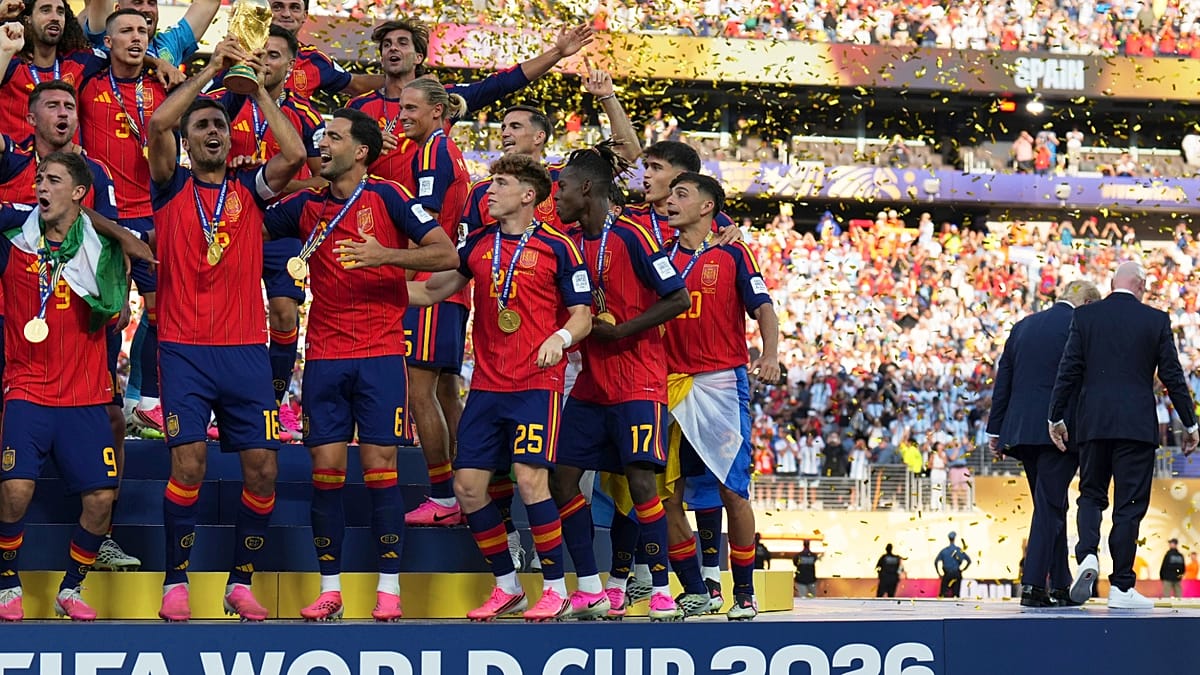
In an unusual ceremony near New York, US President Donald Trump and FIFA President Gianni Infantino jointly presented the World Cup trophy to Spain captain Rodri after Spain defeated Argentina in the final. The event, held at a stadium just outside the city, drew attention not only for the sporting achievement but for the political symbolism of the moment.
A Trophy Presentation with Political Overtones
The presence of Trump and Infantino on the pitch together underscored the increasingly blurred lines between global sports governance and geopolitics. Infantino, who has been pursuing a bid for the UN Secretary-General role, has reportedly sought Trump's backing for that ambition. The two men have maintained a close relationship, with Trump reportedly pushing Infantino's candidacy behind the scenes.
For Spain, the victory itself was a moment of national pride. Rodri, the Manchester City midfielder, lifted the trophy in front of a crowd that included European diplomats and business leaders. The win has already had tangible economic effects: flight searches from China to Spain surged 33-fold in the hours after the final, and tourism bookings are expected to spike ahead of Golden Week.
Political Reactions Across Europe
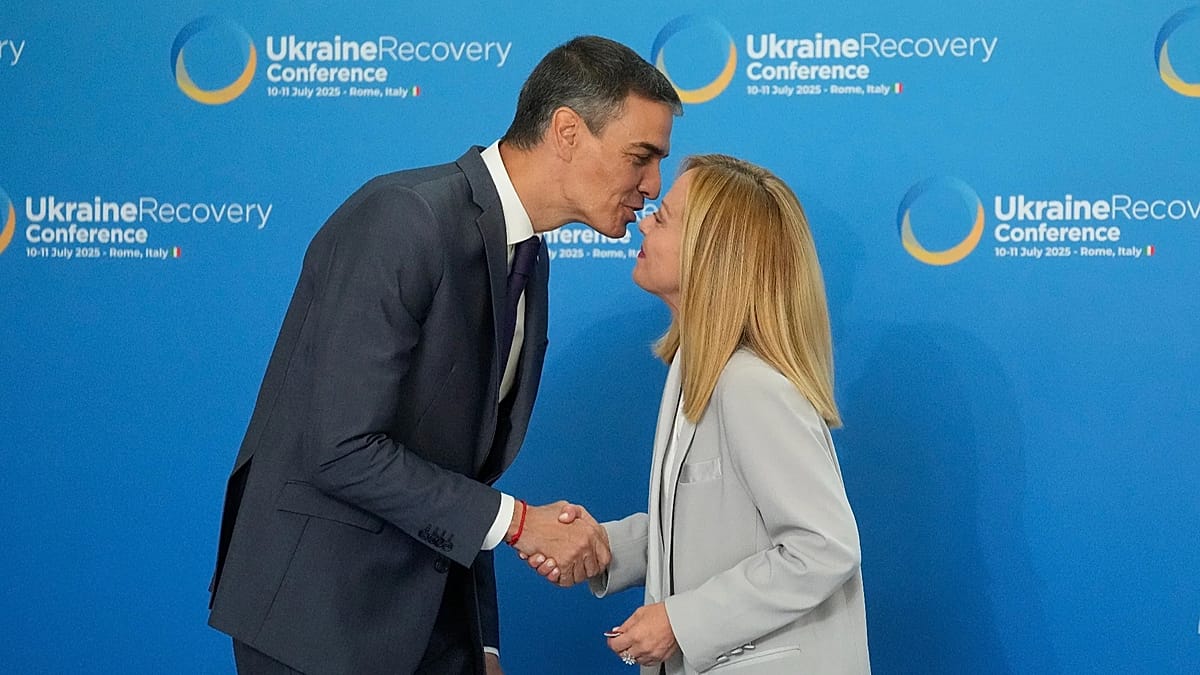
The trophy presentation did not go unnoticed in European capitals. In Madrid, Prime Minister Pedro Sánchez congratulated the team but avoided direct comment on Trump's involvement. In Berlin, government spokesperson Steffen Hebestreit noted that "sport should remain separate from political stagecraft," while in Paris, the Élysée issued a brief statement praising Spain's performance.
The event also reignited debate about the role of the World Cup as a diplomatic tool. Critics argue that FIFA, under Infantino, has become too cozy with authoritarian and populist leaders. Supporters counter that the tournament's global reach makes it an inevitable platform for soft power.
Spain's Victory and Its Broader Implications
Spain's triumph on the pitch comes at a time when the country faces significant challenges off it. Greenpeace has warned that Spain's coastline is at breaking point from overdevelopment and climate change, while cultural debates continue over issues like bullfighting, which Morrissey recently urged the prime minister to ban.
The World Cup win, however, offers a unifying moment. For many Spaniards, the image of their captain receiving the trophy from two of the most controversial figures in global politics was bittersweet. Yet Rodri himself focused on the team's achievement, saying in a post-match interview: "We played for our country, for our families, and for everyone who loves football. The rest is noise."
As Europe digests the spectacle, one thing is clear: the World Cup remains a stage where sport, politics, and commerce collide, and Spain now finds itself at the center of that intersection.