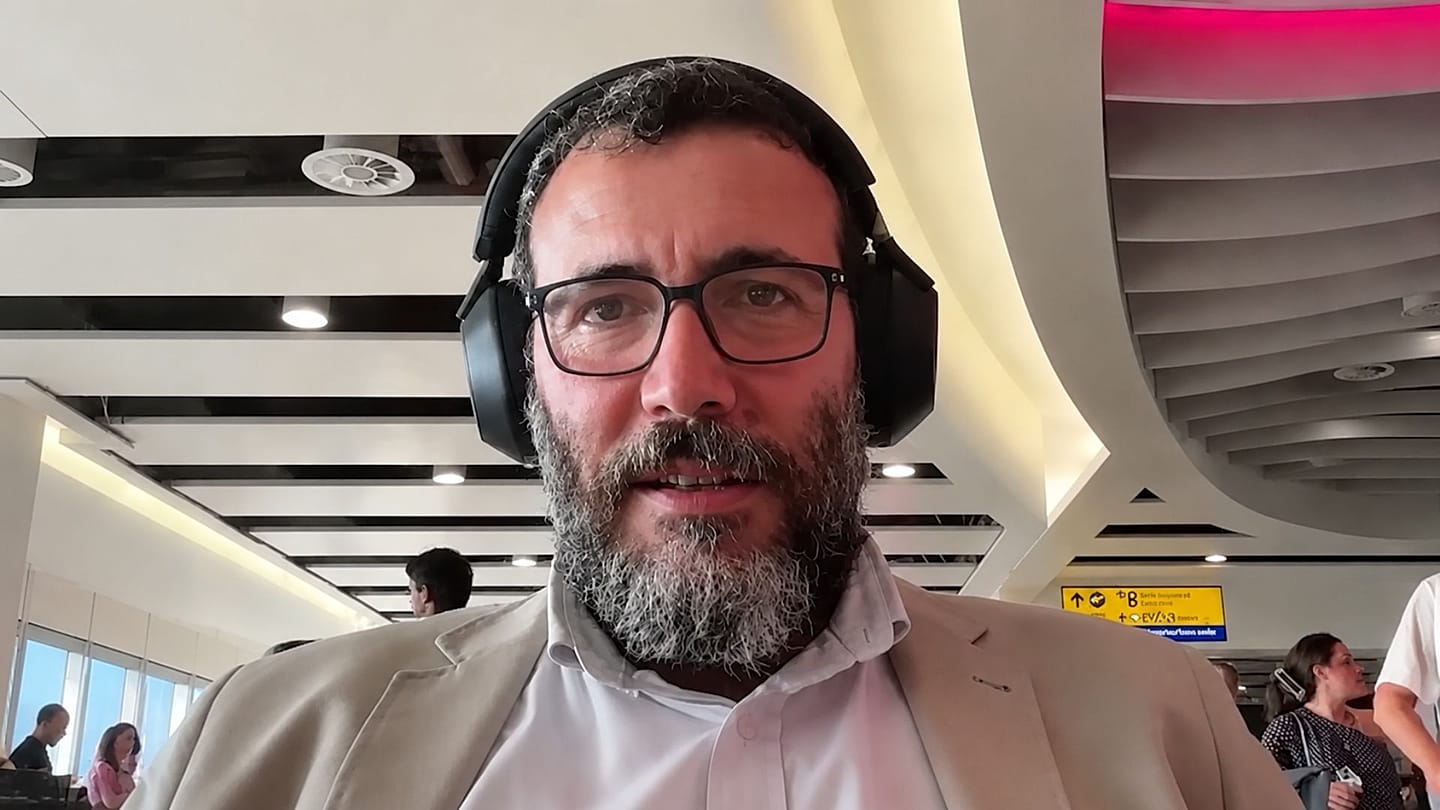
As another scorching summer grips the continent, the director of the Copernicus Climate Change Service has issued a stark warning: Europe must adopt serious measures to cope with extreme heat, or face lethal consequences. Speaking to Euronews' Europe Today, Carlo Buontempo stressed that “record-breaking temperatures should not be breaking news” — they are now a predictable feature of our climate.
Buontempo’s comments come as thermometers across southern and central Europe climb past 40°C, from Seville to Bucharest. The heatwave has already strained power grids in France, triggered wildfire alerts in Greece, and led to health warnings in Italy and Spain. The situation, he argued, demands a fundamental shift in how European societies prepare for and respond to extreme weather.
Adaptation Is No Longer Optional
“We have the tools to anticipate these events,” Buontempo said. “What we lack is the political will and the infrastructure to adapt.” He pointed to urban planning, early-warning systems, and public health protocols as areas where investment is lagging. Without such measures, he warned, the death toll from heatwaves — already estimated in the thousands each year — will continue to rise.
The Copernicus director’s remarks align with recent scientific findings. A study published earlier this year found that Europe is experiencing an average of 40 additional days of extreme heat stress annually compared to the pre-industrial era. That research, covered by European Pulse, underscores how climate change is reshaping daily life across the continent.
Buontempo also dismissed the notion that natural variability, such as the El Niño phenomenon, is the primary driver of these heatwaves. “Climate change is the dominant factor,” he said. “El Niño may amplify the effect, but the underlying trend is clear.” This echoes analysis from our earlier reporting, which showed that human-caused warming is the main culprit.
Economic and Social Costs Mount
The economic toll of extreme heat is also becoming impossible to ignore. A separate study projected that France, Italy, and Spain could lose billions of euros by 2030 due to reduced labour productivity, crop failures, and increased healthcare costs. European Pulse has covered these findings, which highlight the financial urgency of adaptation.
Buontempo called for a continent-wide strategy that includes retrofitting buildings with better insulation and cooling systems, expanding green spaces in cities, and ensuring that vulnerable populations — the elderly, the homeless, and outdoor workers — receive targeted protection. “Heat is a silent killer,” he said. “We need to treat it with the same seriousness as a flood or a storm.”
His warning comes amid a broader debate about Europe’s climate resilience. While the European Union has set ambitious emissions-reduction targets, critics argue that adaptation measures have not kept pace. The European Commission’s own climate adaptation strategy, adopted in 2021, has been praised for its scope but faulted for slow implementation at the national level.
In France, for example, a recent court ruling ordered TotalEnergies to disclose its indirect emissions and strengthen its climate strategy — a sign that legal pressure is mounting on both governments and corporations. European Pulse reported on that decision, which could set a precedent for other European countries.
Buontempo’s message is blunt: “If we don’t adapt, the heat will kill us. It’s not a metaphor. It’s a fact.” As Europe swelters through another summer of extremes, his words are a call to action for policymakers from Lisbon to Warsaw.